
By Safi News Reporter
NAIROBI, June 30 — President William Ruto’s Cabinet has launched an aggressive campaign to eliminate payroll fraud in the public service after a government audit uncovered suspected irregularities worth KSh6.2 billion, prompting a nationwide clean-up of state payroll systems.
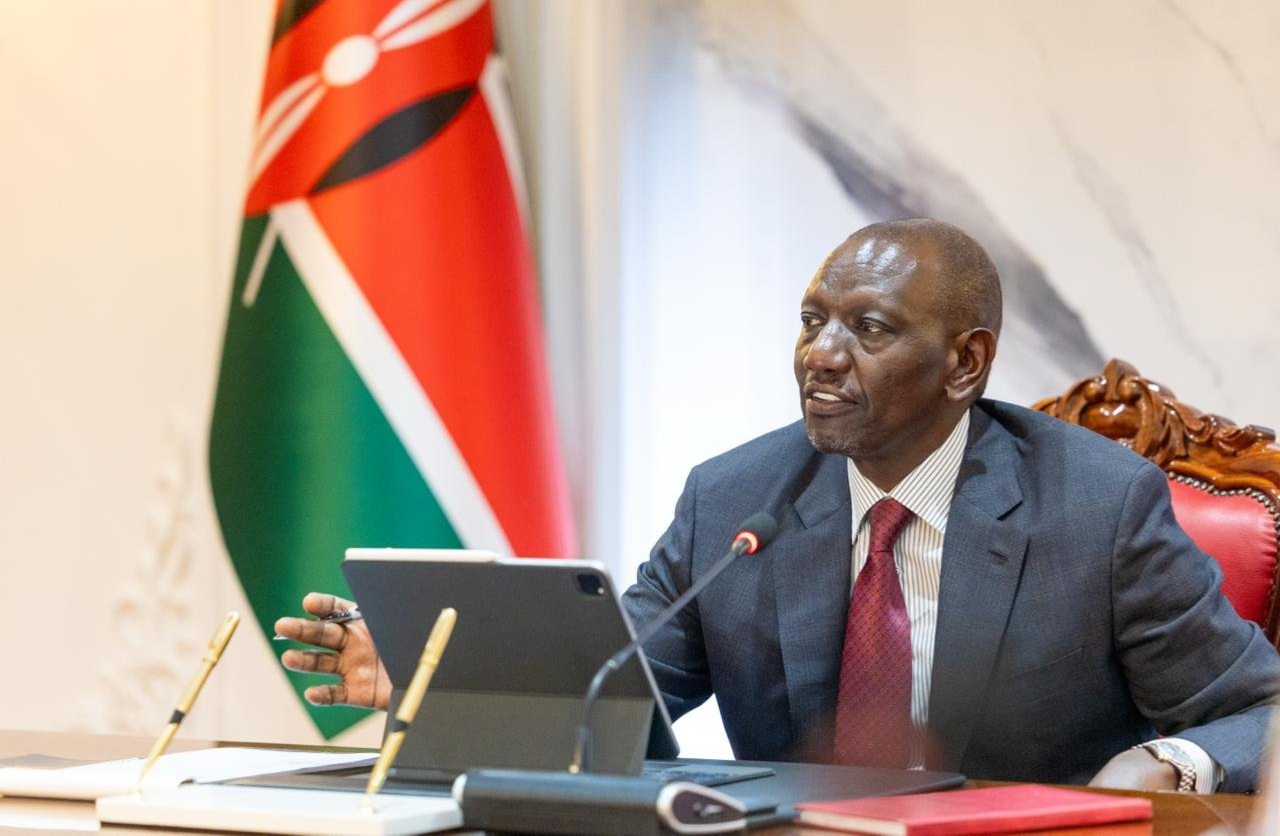
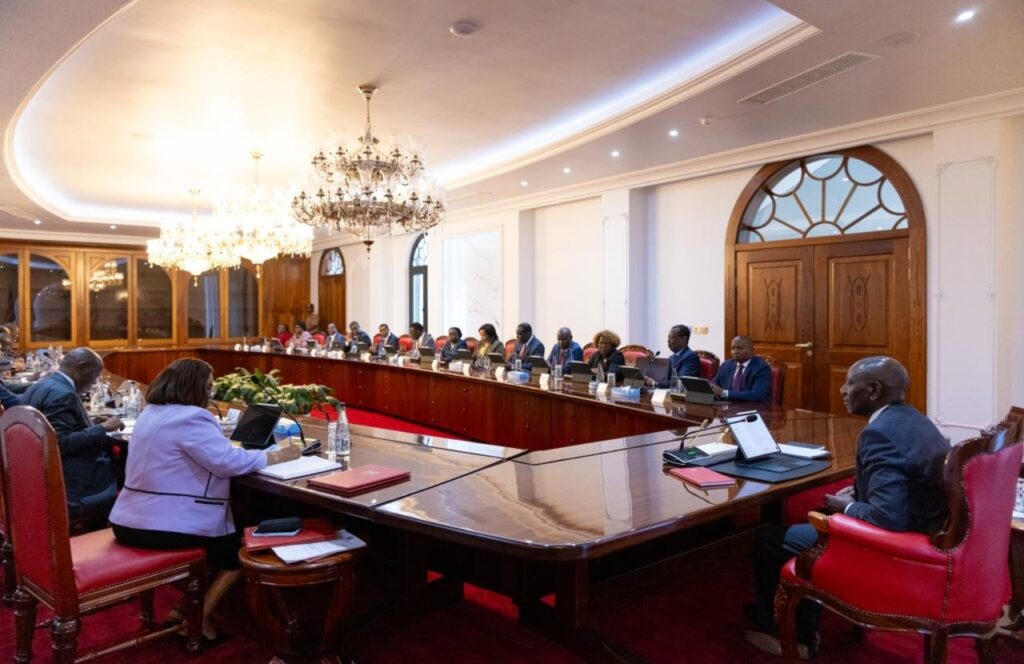
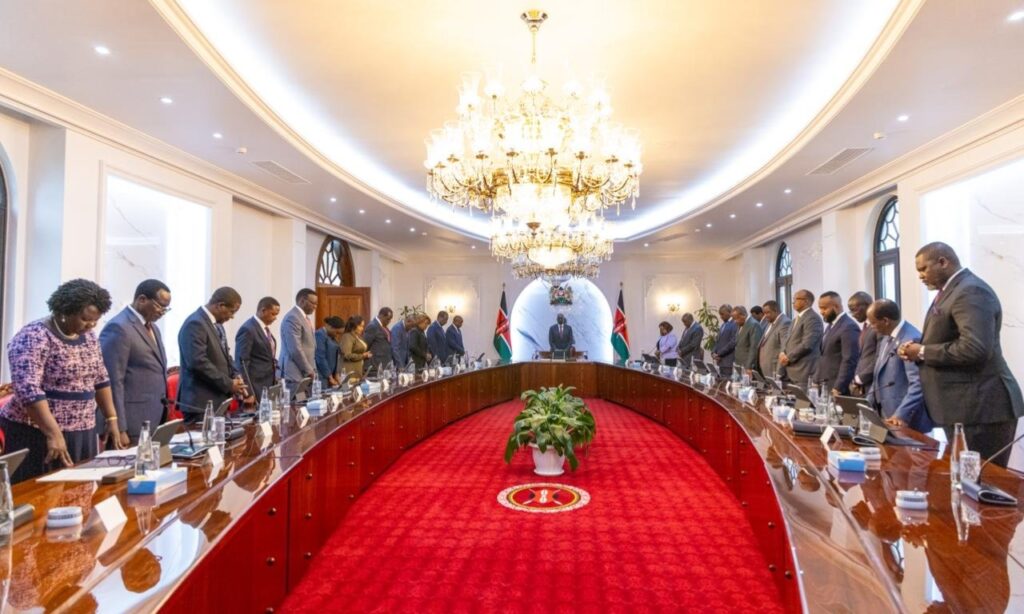
Meeting at State House, Nairobi, on Tuesday, the Cabinet approved a raft of reforms targeting what it described as long-standing weaknesses in government payroll management that have cost taxpayers billions of shillings.
The audit, which examined 12 of Kenya’s 53 State Departments, found evidence of unauthorized alterations to payroll records, irregular salary payments, weak oversight of statutory deductions and fragmented payroll management systems.
In response, the Cabinet directed the Directorate of Criminal Investigations (DCI) to launch investigations into the suspected fraud, dismantle criminal networks manipulating government payroll systems, recover stolen public funds and prosecute all individuals found responsible.
A comprehensive payroll audit will also be extended to all ministries, departments, agencies and state corporations.
To strengthen accountability, all public institutions will be required to migrate to a revamped Integrated Human Resource and Payroll System featuring enhanced cybersecurity, payroll data validation and tighter integration with public financial management systems.
The Cabinet also approved measures aimed at reducing government expenditure, including an immediate freeze on the leasing of additional office space until a nationwide audit determines how existing public offices are being utilized.
The government plans to renovate current facilities to improve efficiency and service delivery.
In a move intended to position Kenya as a regional technology leader, ministers established a Standing Cabinet Committee on Artificial Intelligence to oversee implementation of the country’s AI strategy.
The committee will coordinate policies on responsible AI adoption while promoting innovation, job creation and improved public services.
The Cabinet further adopted the National Business Process Outsourcing (BPO) Policy, which seeks to attract global outsourcing firms by capitalizing on Kenya’s English-speaking workforce, favourable time zone and expanding digital infrastructure.
YOU ALSO MISSED: https://safinews.co.ke/nairobi-governor-salama-pumps-ksh2m-to-help-in-decogesting-traffic/
With meteorological forecasts pointing to moderate-to-strong El Niño rains later this year, Cabinet also constituted a special committee chaired by Deputy President Kithure Kindiki to coordinate disaster preparedness.
The team will oversee flood mitigation, emergency response, road protection, drainage improvement and relief operations across vulnerable areas.
The meeting also endorsed major infrastructure investments, including the KSh26 billion Judicial Performance Improvement Project Phase II, which will finance new court facilities to enhance access to justice and improve judicial efficiency.
Cabinet further approved additional funding to complete the Mwache Multipurpose Dam in Kwale County, a flagship water project expected to supply 186,000 cubic metres of water daily to Mombasa and Kwale counties while supporting irrigation, industry and climate resilience.
More funding was also approved for key sections of the Isiolo-Mandera highway to improve transport links across northern Kenya.
In the health sector, ministers endorsed a new Kenya-United States Health Cooperation Framework aimed at sustaining joint efforts against HIV, tuberculosis, malaria and emerging diseases.
The agreement will also facilitate the gradual absorption of more than 13,000 US-supported frontline health workers into Kenya’s public health system.
Cabinet also approved the KSh4.5 billion Mother-and-Child Lifeline Initiative, which will establish ten Level Four and Level Five maternal hospitals across the country to strengthen maternal and newborn healthcare.
Other key decisions included the approval of the Kenya Children Policy 2025, the Protection Against Domestic Violence (Amendment) Bill, 2026, and recommendations from the Presidential Technical Working Group on Gender-Based Violence and Femicide to improve protection for vulnerable groups.
To boost manufacturing and employment, the Cabinet endorsed the KSh5.8 billion Leather Value Chain Development Support Project, adopted a National Cotton, Textile and Apparel Policy, approved the creation of the Kenya Leather Development Authority and revised the national MSME Policy to support small businesses.
The Cabinet also approved negotiations for a long-term economic partnership with China and endorsed several international agreements as part of efforts to expand trade, strengthen diplomatic ties and reinforce Kenya’s position as a regional economic hub.