
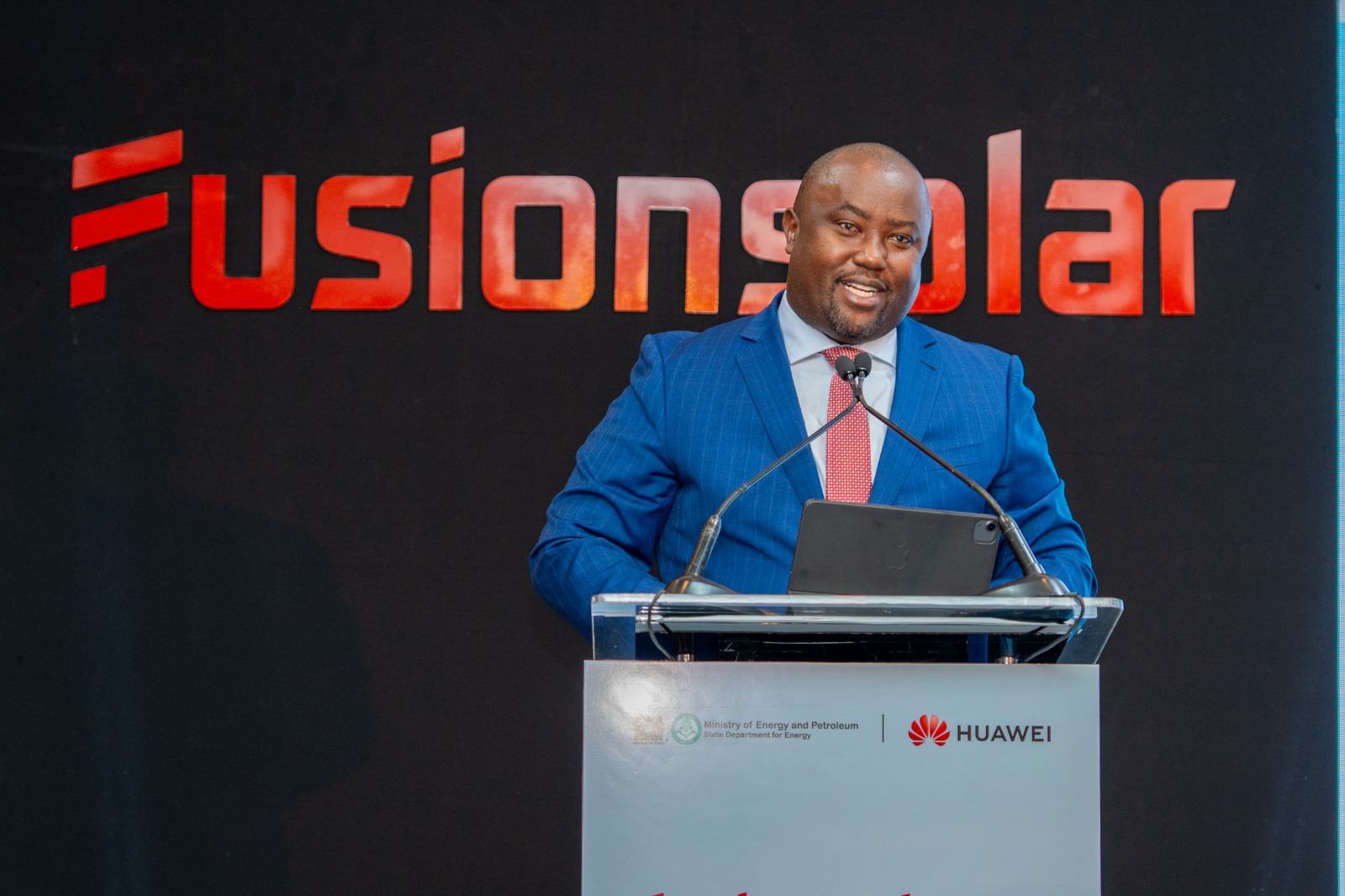

NAIROBI, August 11, 2026 — Kenya is deepening its partnership with technology giant Huawei to accelerate the transition towards a smarter, more resilient and renewable-powered energy system amid growing demand for reliable electricity.
The partnership took centre stage Tuesday during the Kenya Energy Transition Forum 2026, convened by the State Department for Energy under the Ministry of Energy and Petroleum in partnership with Huawei Kenya at the Radisson Blu Hotel, Upper Hill, Nairobi.
The high-level forum brought together government officials, energy sector executives, technology experts, development partners and research institutions to explore ways of modernising Kenya’s electricity infrastructure and strengthening the country’s power system.
Discussions focused on smart grid technologies, grid-forming energy storage solutions, wireless network technologies, energy development trends and challenges, as well as strategies for integrating increasing amounts of renewable energy into the national grid.
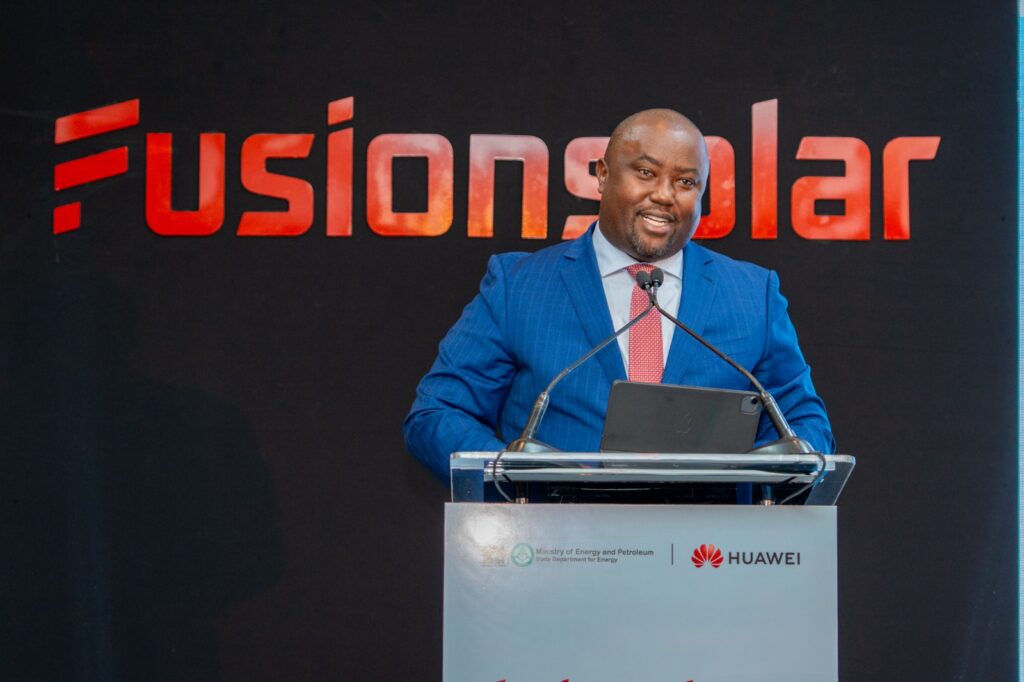
Speaking on behalf of the Ministry of Energy and Petroleum, Principal Secretary Alex Wachira said Kenya had made significant progress in developing a clean and increasingly renewable-based electricity system.
He cited the country’s abundant geothermal, hydro, wind and solar resources as a strong foundation for achieving a sustainable energy future.
However, the PS cautioned that the growing integration of variable renewable sources, particularly wind and solar, required the country to strengthen the flexibility, stability and resilience of its electricity system.
“The energy transition is therefore not simply about adding more renewable generation. It is also about modernising the electricity grid and transforming the way we plan, operate and manage the power system,” said Wachira.
He identified smart grids, advanced grid management systems, improved forecasting, digitalisation, demand-side flexibility, power electronics and energy storage as critical technologies for supporting the country’s energy transition.
According to the PS, the technologies would help Kenya integrate higher levels of renewable energy while improving grid stability and resilience and reducing technical and commercial losses.
Wachira challenged industry players and other stakeholders to move beyond discussions and focus on practical solutions that could be implemented and scaled up across the country.
He said stakeholders needed to consider not only the technologies available but also the investments, policy interventions and regulatory frameworks required to unlock their full potential.
“Kenya has a unique opportunity to position itself at the forefront of Africa’s energy transition. We have the renewable energy resources, a growing technology ecosystem and a strong foundation in our energy sector,” he said.
The PS expressed optimism that the discussions at the forum would translate into partnerships, investments and practical solutions capable of shaping Kenya’s energy future.
Huawei Kenya Deputy CEO for Public Affairs James Sun Quan said the company was committed to supporting Kenya’s energy transition through technology and innovation.
“Huawei is proud to partner with the State Department for Energy on Kenya’s energy transition journey,” said Sun.
He said technologies such as grid-forming energy storage and smart grid solutions could enable Kenya to integrate more renewable energy while maintaining a stable and reliable electricity system.
“We look forward to continuing this partnership to deliver practical solutions for the country’s power sector,” he added.
The forum was attended by Energy and Petroleum Regulatory Authority (EPRA) Chairman Moses Mabonga, KenGen Chief Executive Officer Eng. Peter Njenga, and a Huawei delegation led by Sun Quan.
The half-day forum also featured a Huawei keynote address, discussions on Kenya’s energy development trends and challenges, a session on grid-forming energy storage solutions, smart grid and wireless network solutions, as well as the Green Smart Energy Initiative ceremony.
The meeting comes as Kenya continues to expand renewable energy generation while seeking to strengthen the national grid to accommodate increasing levels of intermittent power from wind and solar sources.
Stakeholders said modern grid infrastructure, energy storage, digitalisation and supportive policy frameworks would be critical to ensuring that the country’s transition to clean energy delivers reliable and affordable electricity to consumers.
Story By: Evans Mutinda
Here you are
Great post,Thanks for sharing
Hi~(* ̄▽ ̄*)