
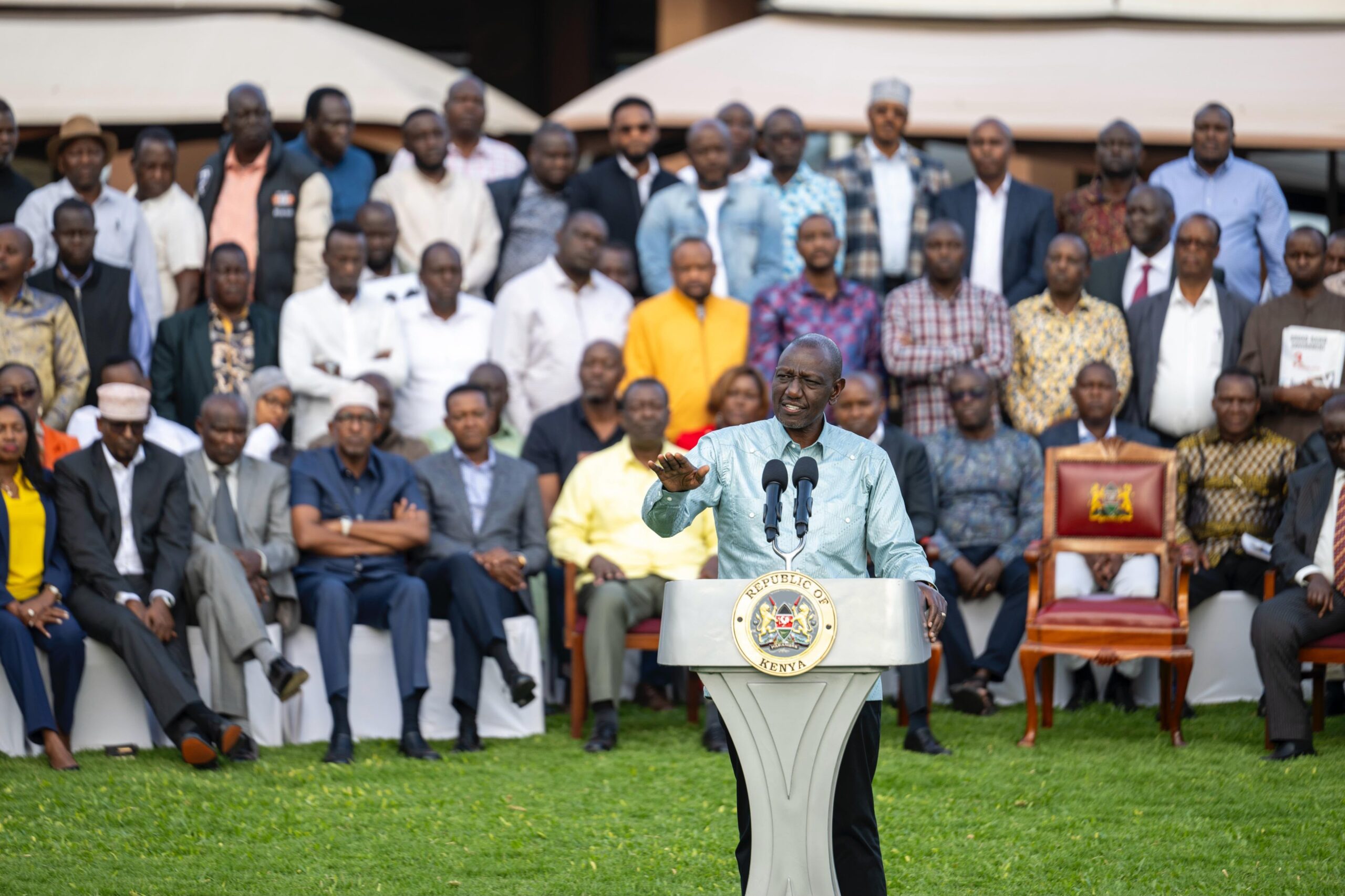
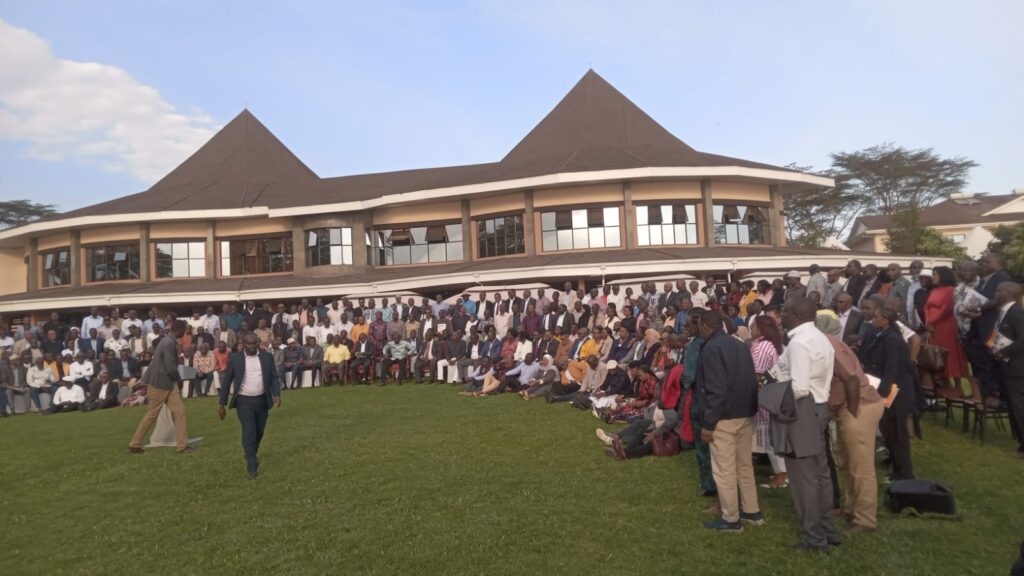
NAIVASHA, August 10, 2026 — President William Ruto and ODM leader Dr Oburu Odinga have sent a strong political message from Naivasha as leaders of the broad-based government continue their retreat aimed at strengthening cooperation between the United Democratic Alliance (UDA) and the Orange Democratic Movement (ODM).
President Ruto said the broad-based arrangement had evolved from a parliamentary grouping into a wider leadership platform bringing together governors, Cabinet Secretaries and Members of Parliament.
“This meeting has transformed from a fundamentally parliamentary group meeting of the broad base into a leaders’ meeting of the broad base,” Ruto said.
The President said the gathering provided an opportunity for leaders entrusted with public leadership to account to Kenyans, assess their performance against promises and explain the direction they intend to take the country.
“Fellow citizens, there are moments when those entrusted with leadership must account to the people, measure promises against performance and set out clearly where they intend to lead the country next,” he said.
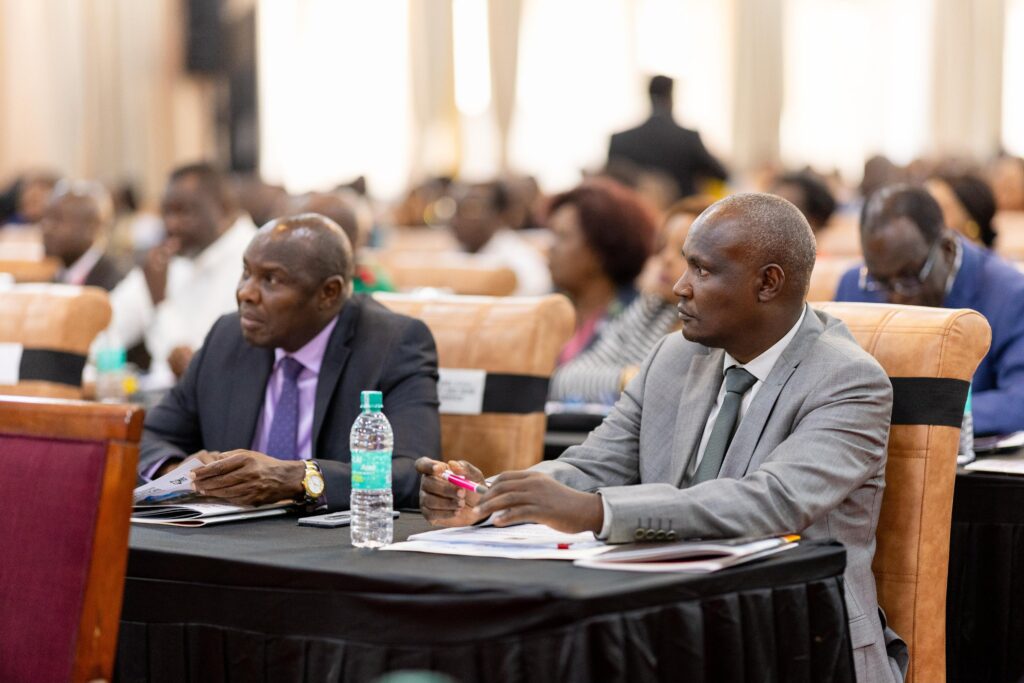
The Naivasha retreat has brought together leaders from UDA and ODM as the two political formations seek to strengthen their working relationship and consolidate the broad-based government ahead of the next political phase.
Oburu: ODM is not dead
ODM leader Dr Oburu Odinga used the retreat to dismiss claims that the Orange party had lost its political relevance, declaring that those who believed ODM was dead were mistaken.
Oburu said the party remained a major political force and would work towards securing a position in the next administration, including ensuring that ODM produces the country’s next Deputy President.
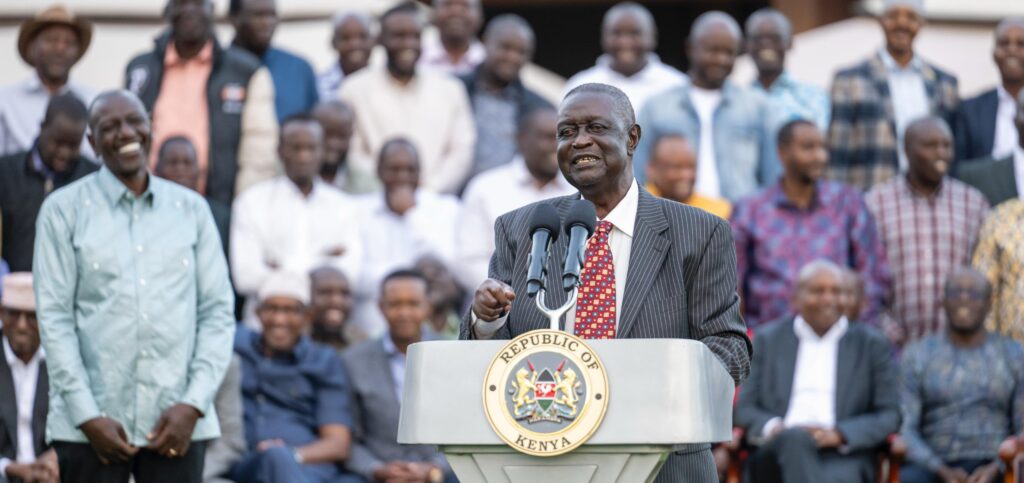
“Those who thought ODM has died, they were wrong,” Oburu said, insisting that the party still had a major role to play in Kenya’s political future.
He said ODM’s participation in the broad-based arrangement should not be interpreted merely in terms of parliamentary numbers, arguing that the party had brought discipline and a new approach to political engagement.
“ODM has not only brought numbers but also discipline within the politics,” he said.
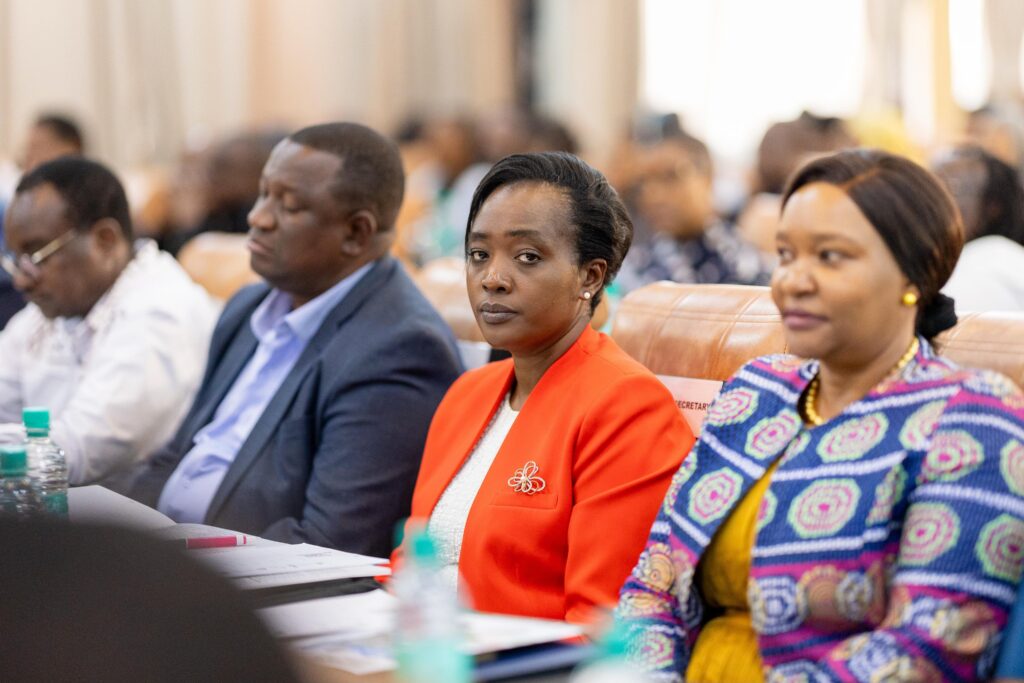
According to Oburu, the party’s strength, organisation and contribution to the broad-based arrangement would position it strongly as the country heads towards the next General Election.
He expressed confidence that the political partnership would deliver a decisive victory in the next election, declaring that the coalition would win by a landslide.
“We shall win the next election by a landslide,” Oburu said.
A new political equation
Oburu’s remarks add a new dimension to the ongoing Naivasha discussions, with ODM seeking to assert its influence within the broad-based arrangement while maintaining its identity and political ambitions.
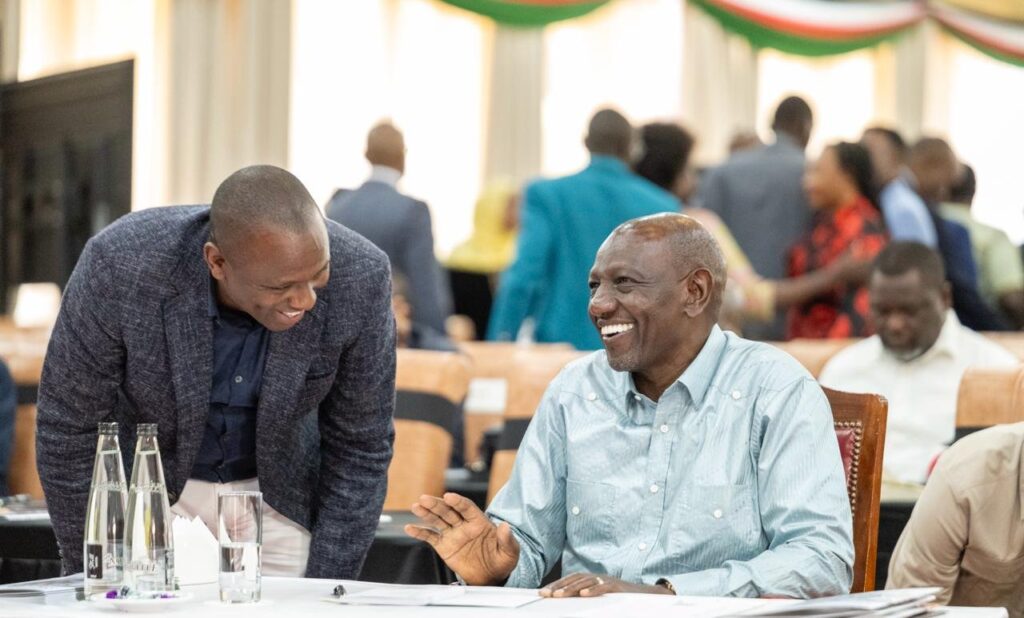
His declaration that ODM intends to produce the next Deputy President is likely to intensify discussions over the future leadership structure of the coalition and the political bargain between the two major parties.
The remarks also underline the significance of the Naivasha retreat, which has brought together senior figures from the Executive, Parliament and county governments to deliberate on the future of the broad-based government.
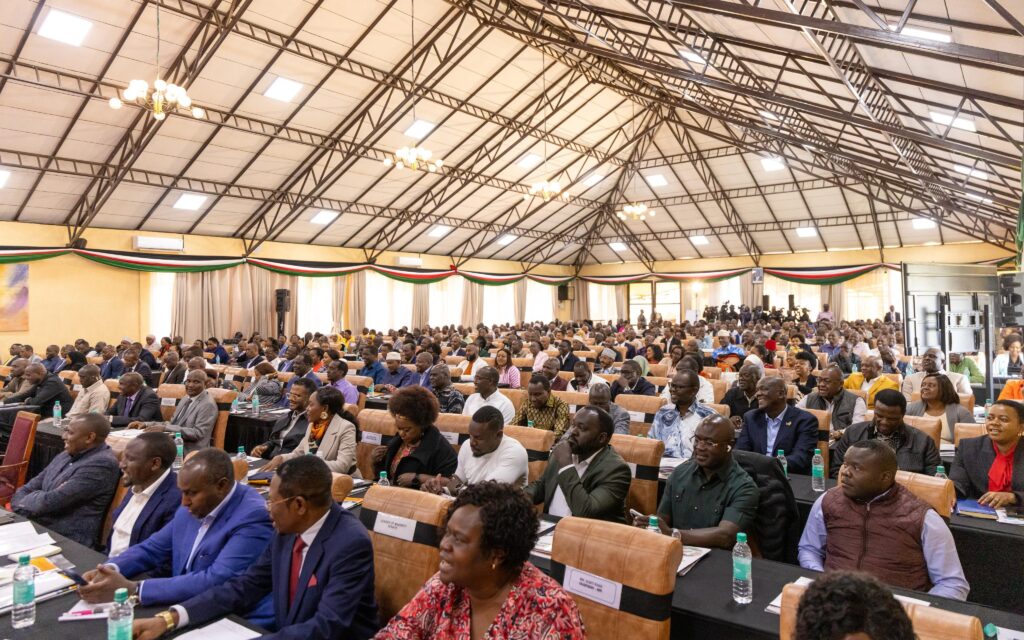
The meeting has been described by Ruto as a broader leaders’ forum rather than merely a parliamentary gathering.
The President’s emphasis on accountability, performance and the country’s future direction comes as the coalition seeks to present a united front while addressing issues that could shape its political fortunes in the next election.
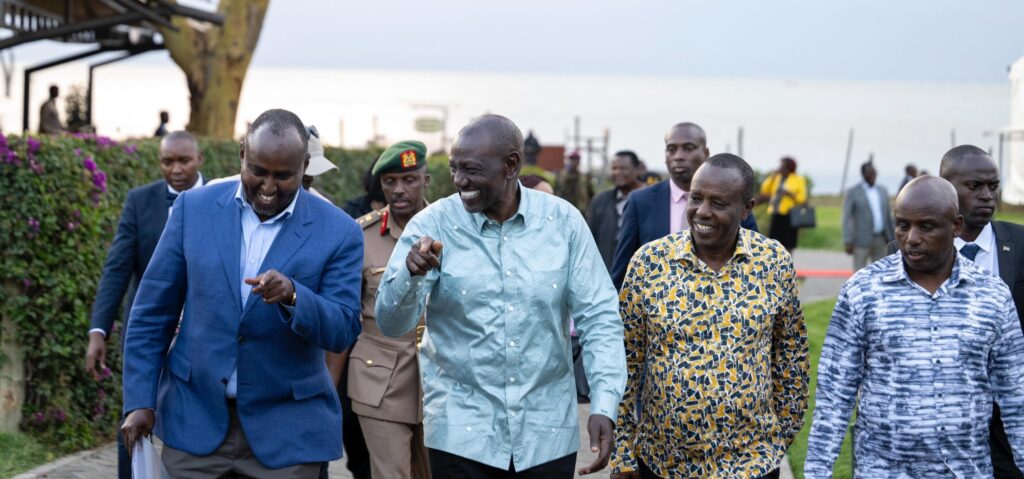
ODM seeks greater influence
For ODM, the retreat provides an opportunity to demonstrate that its participation in the broad-based government goes beyond providing parliamentary numbers.
Oburu’s remarks suggest that the party intends to use its position within the arrangement to push for greater political influence while preparing for the next electoral contest.
His insistence that ODM has brought “discipline” into politics also signals the party’s intention to portray its partnership with UDA as one that can provide stability and a more organised political framework.
The two sides now face the task of translating their political cooperation into a durable partnership capable of surviving competing interests as preparations for the next election gradually take shape.
With the broad-based leadership now involving governors, Cabinet Secretaries and MPs, the Naivasha retreat could prove significant in defining the coalition’s political architecture and priorities going forward.
As the discussions continue, attention will remain focused on the resolutions emerging from the retreat, particularly on how UDA and ODM intend to strengthen their pact, share political responsibilities and position themselves for the next General Election.
For Ruto, the immediate focus is on accountability and performance, while for Oburu and ODM, the message is that the party remains politically relevant and intends to play a central role in determining the country’s next leadership.