
By Evans Mutinda
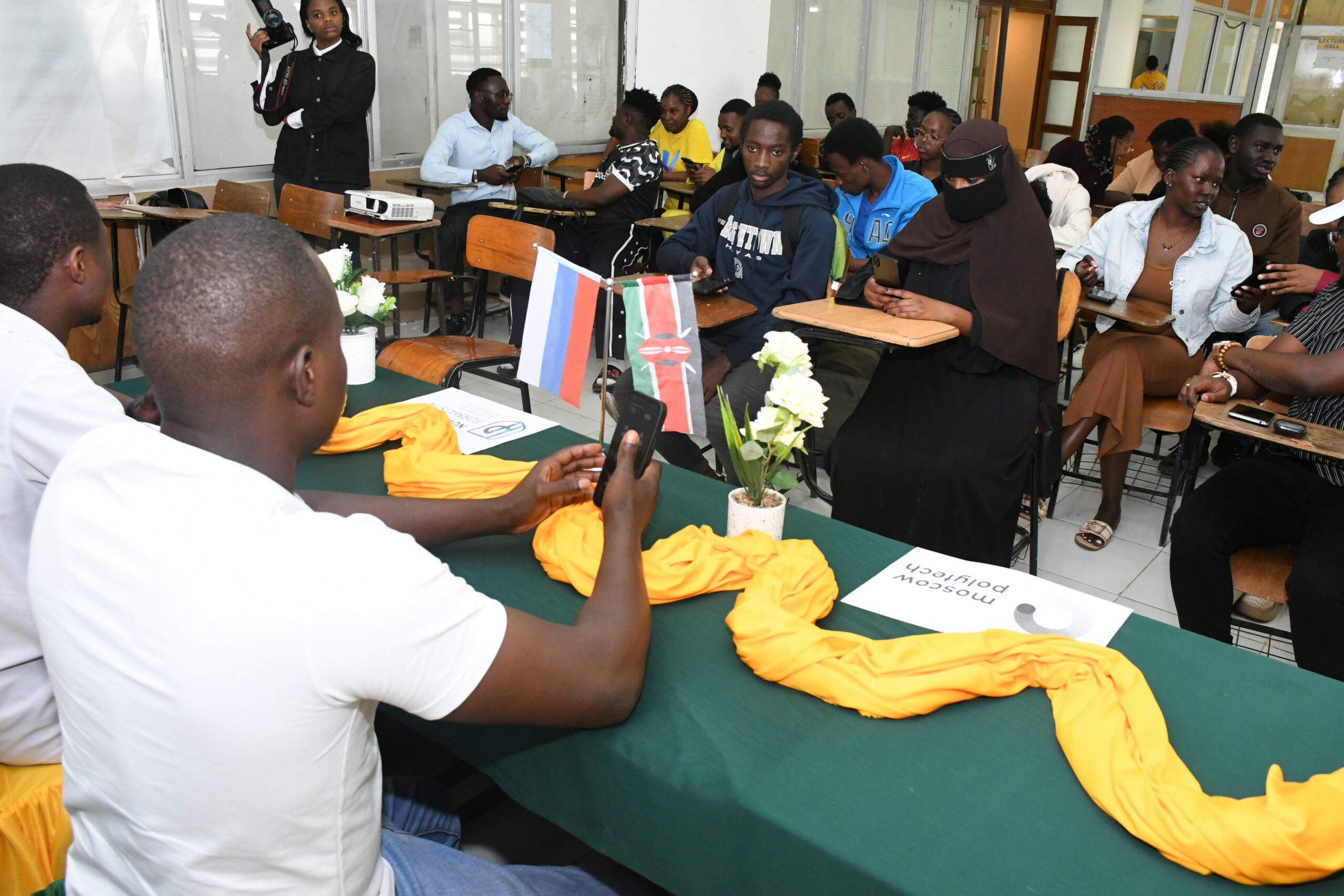
NAIROBI – Kenyan students pursuing Technical and Vocational Education and Training (TVET) have received a major boost following the launch of a free Russian language programme at ICS Technical College, an initiative expected to unlock international education, scholarship and career opportunities in Russia.
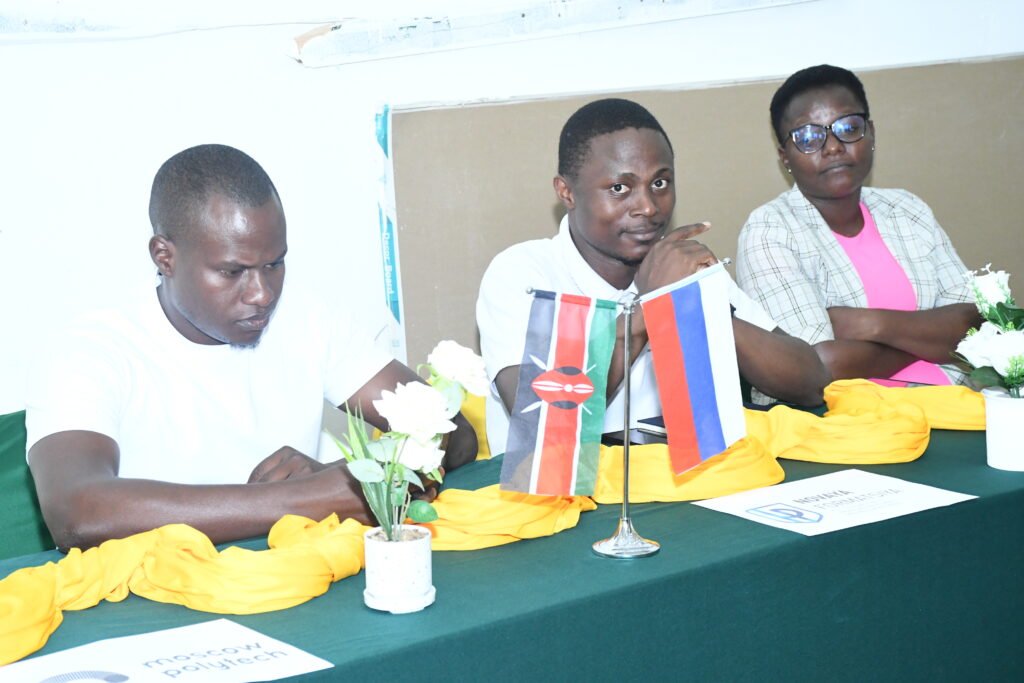
The programme, unveiled through a partnership between ICS Technical College, the Path to Russia Foundation, and Moscow Polytechnic University, is designed to equip students with one of the world’s emerging international languages while exposing them to global academic and professional opportunities.
For the next three months, participating students will undertake virtual Russian language classes at no cost, learning directly from instructors based at Moscow Polytechnic University.
Speaking during the launch, ICS Technical College Registrar Reinhard Amunga described the programme as a transformative milestone for the institution, saying it reflects the college’s commitment to preparing graduates for an increasingly competitive global workforce.
RAED ALSO: https://safinews.co.ke/schools-set-for-new-12-week-term-structure-under-new-education-reforms/
“Our students deserve opportunities that extend beyond Kenya’s borders. Learning an international language like Russian gives them a unique advantage in employment, higher education and international exposure,” Amunga said.
The initiative is expected to position ICS students ahead of many of their peers by providing language skills that are increasingly becoming valuable in sectors such as engineering, tourism, technology, hospitality and international business.
Path to Russia Foundation Regional Coordinator Erick Ochieng’ said the organisation was committed to bridging educational and cultural links between Kenya and Russia by creating direct pathways for Kenyan students to access world-class education and career opportunities.
He noted that despite Russian being one of the world’s major languages, it remains largely untaught in Kenya, creating a gap that the Foundation is now working to bridge through strategic partnerships with local learning institutions.
“Our vision is to connect Kenyan students with opportunities that many believe are beyond their reach. Through this programme, they can acquire language skills, access scholarships and pursue higher education in some of Russia’s leading universities,” Ochieng’ said.
Upon successful completion of the course, students will receive certificates from Moscow Polytechnic University, with top-performing learners becoming eligible to compete for partial and fully funded scholarships to continue their studies in Russia.
Beyond language training, participants will gain exposure to Russian culture and international learning environments, strengthening their confidence to pursue academic and professional opportunities abroad.
The Foundation also announced plans to introduce a specialised partnership with the Moscow Technical University of Communications and Informatics, targeting students pursuing Information Technology.
The proposed nine-month programme will combine Russian language studies with mathematics and advanced IT training, giving selected students an opportunity to compete alongside learners in Russia while preparing them for degree programmes in technology-related fields.
According to Ochieng’, only the most committed learners will be selected for the advanced programme, where they will study alongside students undertaking similar courses in Russia, creating a truly international learning experience.
The Russian language programme is open to students who have completed the Kenya Certificate of Secondary Education (KCSE) and qualify for admission into colleges or universities, making it an attractive opportunity for young Kenyans seeking to broaden their academic horizons.
While the tertiary programme focuses on language proficiency and higher education pathways, the Foundation is also rolling out age-appropriate cultural exchange programmes in primary and secondary schools to nurture global awareness among younger learners.
Students attending the launch welcomed the initiative and sought clarification on scholarship opportunities, certification, accreditation and future progression after completing the course.
Responding to the concerns, Ochieng’ assured learners that the programme will remain free throughout the pilot phase as the Foundation works closely with the Technical and Vocational Education and Training Authority (TVETA) towards formal registration and accreditation of the course.
He expressed optimism that once the accreditation process is complete and student demand continues to grow, ICS Technical College will introduce physical Russian language classes in addition to the current online sessions.
In another exciting development, officials from Moscow Polytechnic University are expected to visit Kenya to strengthen collaboration with ICS Technical College and provide students with firsthand information about study opportunities in Russia.
YOU ALSO MISSED: https://safinews.co.ke/rti-celebrates-70-years-of-excellence-since-establishment/
The Foundation revealed that similar programmes are already running successfully at Michuki National Polytechnic, where dozens of students have enrolled, with ICS expected to admit up to 40 students in its inaugural cohort. Additional classes and instructors will be introduced as interest grows.
To ensure no learner misses out, organisers confirmed that all online lessons will be recorded, allowing students whose academic timetables clash with the sessions to catch up at their convenience.
Participants will also receive guidance on university applications, scholarship opportunities and academic pathways available in Russia, making the programme much more than just a language course.
As Kenya continues to embrace international partnerships in education, the collaboration between ICS Technical College, the Path to Russia Foundation and Moscow Polytechnic University marks a significant step towards preparing a globally competitive workforce equipped with the skills, confidence and international exposure needed to thrive in today’s interconnected world.