
NAIROBI, July 3– A professional body representing Pentecostal and Charismatic clergy has appealed for parliamentary recognition of its operations as it seeks to professionalise church ministry through accredited training and certification.
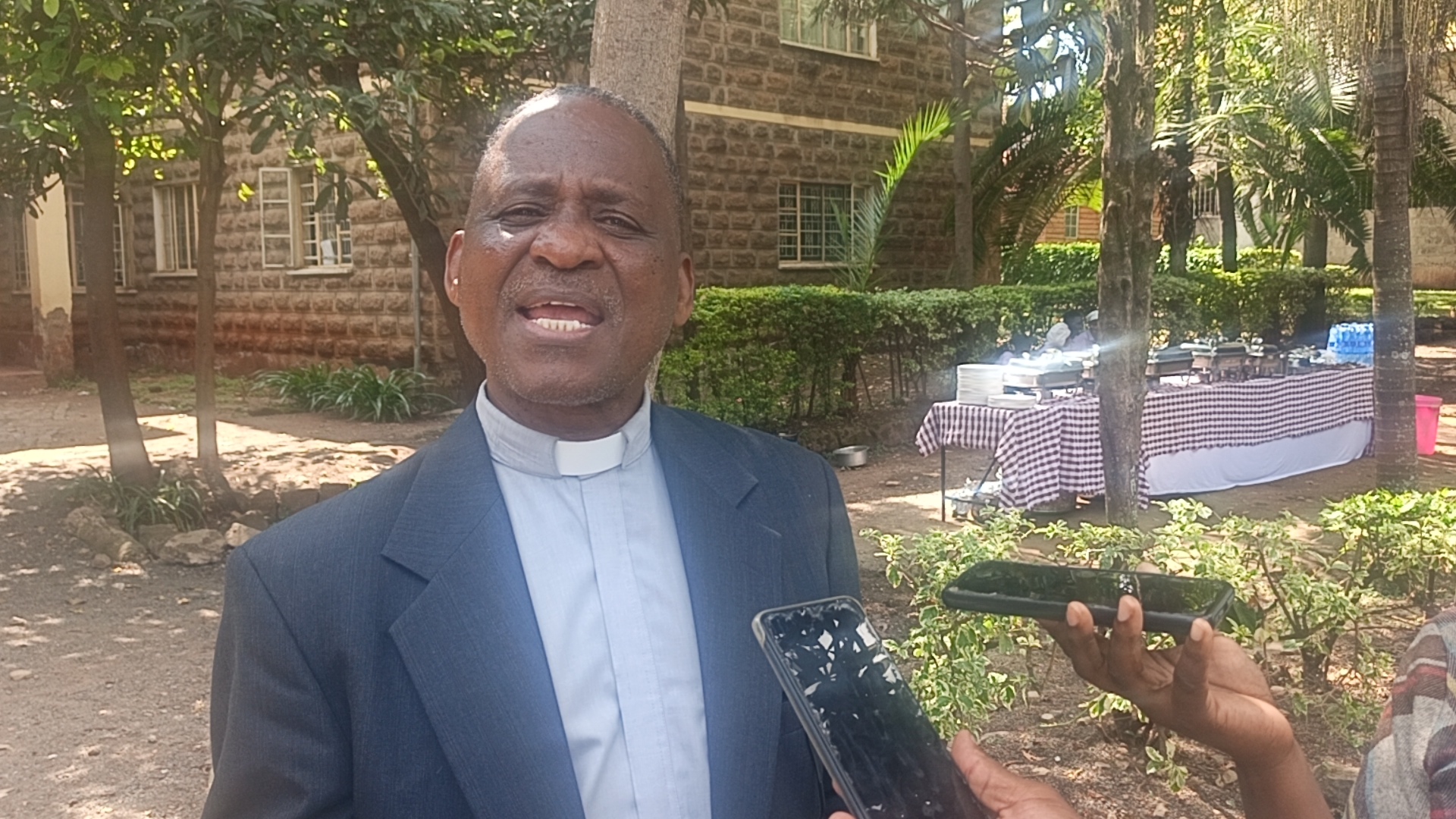
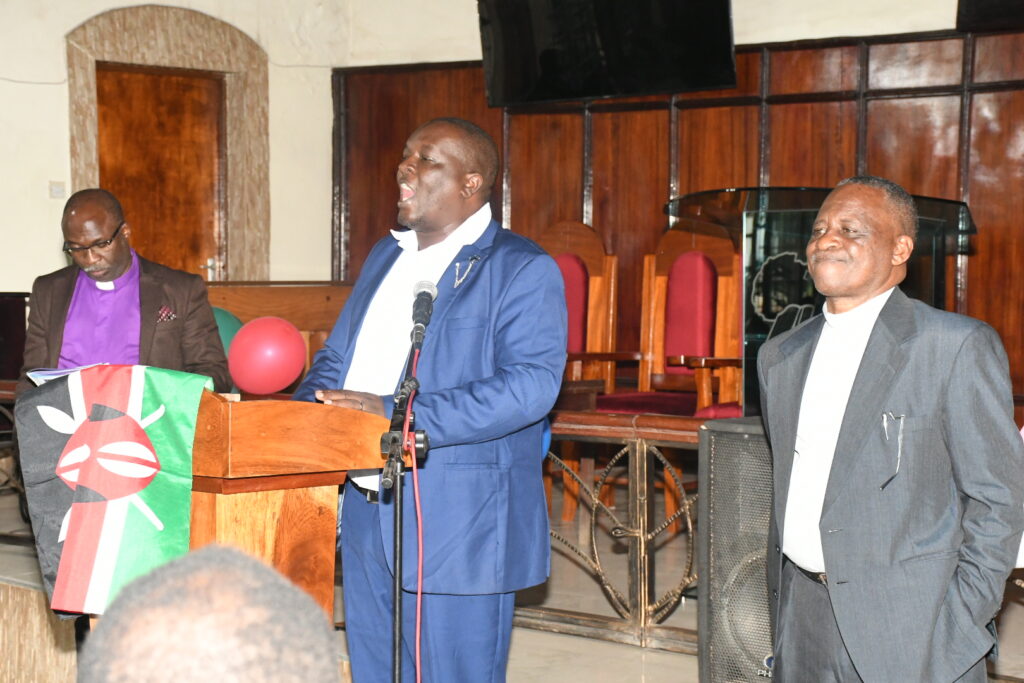
Speaking during the organisation’s inaugural Annual General Meeting in Nairobi on Friday, the body’s Chairman, Reverend Josiah Njiru Wajoshuah, said the association was established to promote professional standards among ministers serving in Pentecostal and Charismatic churches, many of whom enter ministry through a calling rather than formal theological education.
He said research conducted by the organisation established that many Bible schools serving the Pentecostal and Charismatic community are not registered under the Technical and Vocational Education and Training (TVET) framework, limiting recognition of qualifications earned by clergy.
According to Njiru, the organisation has been working with relevant government institutions to align non-formal and informal theological training with the provisions of the TVET Act, 2013.
He said one of the key interventions has been the training of Bible school instructors through an andragogy programme at the University of Nairobi, with the first cohort expected to graduate later this month.
Njiru added that the organisation is also leveraging the Recognition of Prior Learning (RPL) framework under the Kenya National Qualifications Authority (KNQA) Act, 2014, to facilitate formal recognition of ministers who possess practical experience but lack recognised academic qualifications.
He noted that the framework would also benefit clergy whose certificates were obtained from institutions that are not accredited or from foreign institutions whose qualifications are yet to be recognised locally.
The chairman disclosed that the organisation has petitioned Parliament to formally recognise the professional body, saying it is intended to complement rather than compete with existing church umbrella organisations.
“We are focused on building the capacity of ministers and promoting professionalism within the church sector. We are working closely with stakeholders and are awaiting Parliament’s report on our petition,” he said.
Njiru emphasised that the body supports self-regulation within the church instead of direct government regulation, arguing that many of the challenges facing the church stem from inadequate ministerial training.
He said the organisation is developing occupational standards for Christian ministers similar to those governing other professions such as teaching, medicine and law.
On the country’s political environment ahead of the 2027 General Election, Njiru appealed to political leaders across the divide to exercise restraint in their public engagements and embrace respectful discourse.
He expressed concern over increasing political hostility and the use of abusive language in public debate, saying such conduct undermines national cohesion.
The clergy called for trained chaplains to be deployed in schools to provide guidance and counselling to learners, noting that the organisation has qualified personnel ready to serve once the necessary legal mandate is granted.
He, however, declined to comment on partisan political matters, maintaining that the organisation’s mandate is limited to promoting professional standards, curriculum development and accreditation within the Pentecostal and Charismatic church sector.