
Agriculture Cabinet Secretary Mutahi Kagwe has called on African countries to increase investment in irrigation, water harvesting and climate-smart agriculture to strengthen food security and reduce the continent’s vulnerability to changing weather patterns.
Kagwe said expanding access to reliable water supplies for farming, protecting water catchment areas and improving soil management were critical to increasing agricultural productivity and ensuring that households have access to sufficient and affordable food.
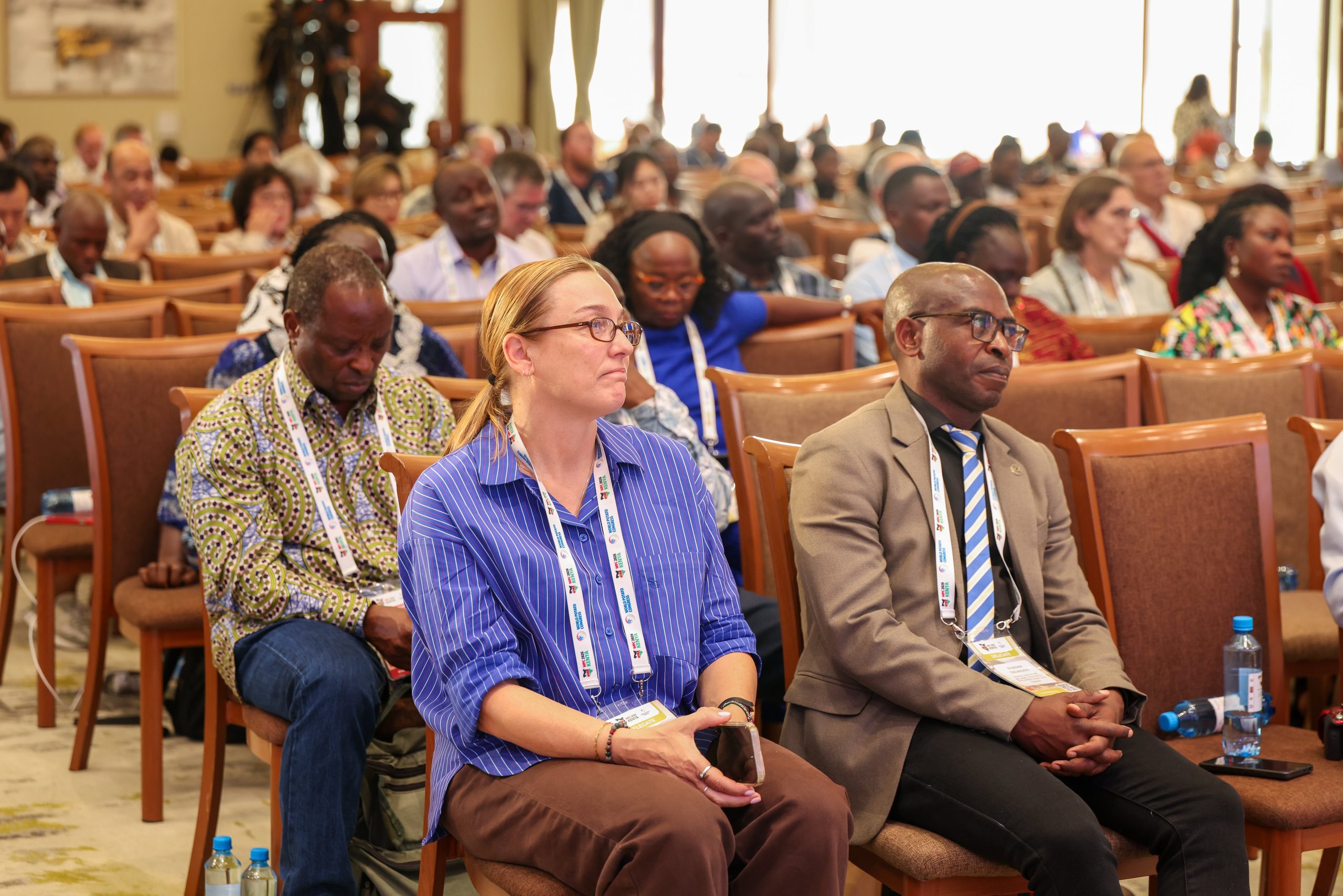
Speaking during the commemoration of the 17th Africa Day for Food and Nutrition Security at Safari Park Hotel in Nairobi on Friday, the CS challenged governments to move beyond policy commitments and implement practical interventions that deliver measurable improvements in food production and nutrition.
https://x.com/Safinewsmedia/status/2116164736177877474?a=B9A9MOD1vk_JjuOxX30&s=19
He identified irrigation as one of the key opportunities for transforming African agriculture, noting that the continent continues to rely heavily on rain-fed farming despite the growing threat of climate change and unpredictable rainfall.
Available figures cited in the address indicated that only 5.7 per cent of Africa’s cropland was irrigated in 2023, compared with the global average of 22.6 per cent, highlighting the significant gap in agricultural water infrastructure.
Kagwe emphasised the need for governments to invest in water storage facilities, irrigation infrastructure and catchment conservation while exploring wastewater reuse and other sustainable water-management approaches.
Such investments would help farmers maintain production during dry spells, improve yields and reduce the risks associated with dependence on seasonal rainfall.
The Cabinet Secretary also highlighted the importance of climate-smart farming practices and responsible soil management in preserving agricultural land and sustaining long-term food production.
He called for stronger partnerships among governments, farmers, research institutions, development partners and the private sector to mobilise the resources and technical expertise required to modernise agriculture.
Kenya’s agricultural production drive
Kenya has been pursuing measures aimed at increasing agricultural output and reducing production costs, including fertiliser subsidies and large-scale irrigation initiatives.
Kagwe pointed to the Galana-Kulalu irrigation project, which covers a planned development area of approximately 1.75 million acres, as part of the country’s broader efforts to expand agricultural production and strengthen food security.
The project has been positioned as an avenue for unlocking the potential of large tracts of land for commercial farming through irrigation and improved agricultural infrastructure.
The government has also maintained its fertiliser subsidy programme, with the price of a 50-kilogramme bag of subsidised fertiliser reduced to Sh2,000 to help farmers access the essential farm input at a lower cost.
The intervention is intended to ease the financial burden on farmers, encourage greater use of fertiliser and support increased production.
Kenya’s maize production has also recorded a significant increase, rising from 34.3 million bags in 2022 to an estimated 71 million bags in 2025, reflecting the country’s efforts to improve food availability.
However, sustaining higher output requires continued investment in irrigation, affordable farm inputs, agricultural extension services and reliable markets for farmers.
Call for practical commitments
The discussions during the commemoration underscored the importance of translating agricultural policies into tangible results that can be measured through increased production, improved nutrition and better livelihoods for farming communities.
African countries face the challenge of feeding growing populations while managing climate-related disruptions, pressure on natural resources and the economic constraints affecting smallholder farmers.
Strengthening food systems will therefore require coordinated action across the agricultural value chain, from production and storage to processing, distribution and access to markets.
Improved water management is particularly important in regions where farmers experience recurrent droughts or unreliable rainfall, which can undermine harvests and expose households to food shortages.
Kagwe called for sustained collaboration and clear commitments to ensure that investments in agriculture produce lasting benefits for farmers and consumers.
He stressed the need for practical approaches that strengthen resilience, improve productivity and support the continent’s broader food and nutrition security objectives.
The 17th Africa Day for Food and Nutrition Security provided a platform for stakeholders to reflect on the continent’s progress and identify interventions needed to build stronger and more resilient food systems.
As African governments continue to pursue agricultural transformation, the expansion of irrigation, protection of natural resources and adoption of climate-smart farming practices remain central to efforts to secure reliable food supplies and improve livelihoods.