
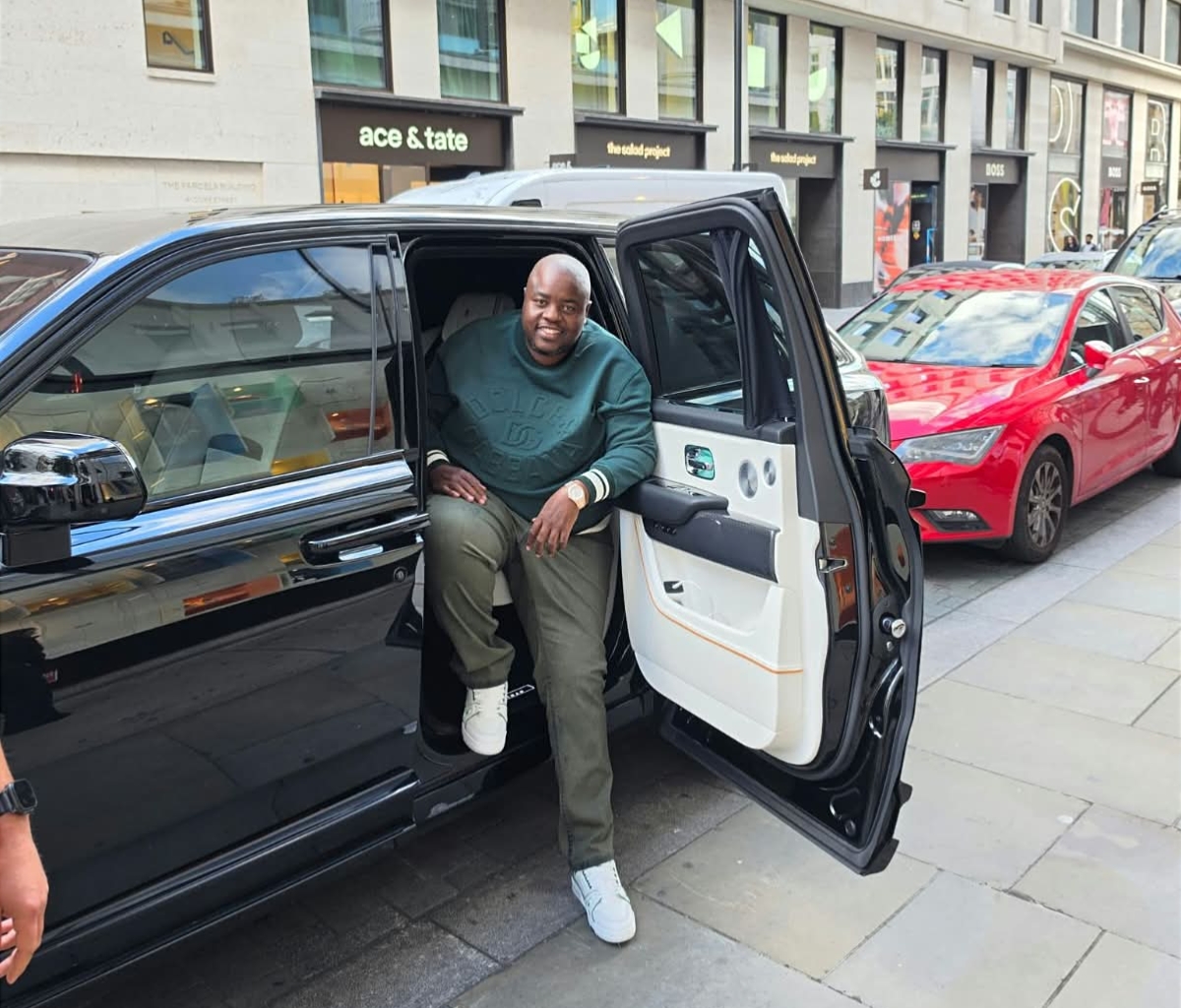
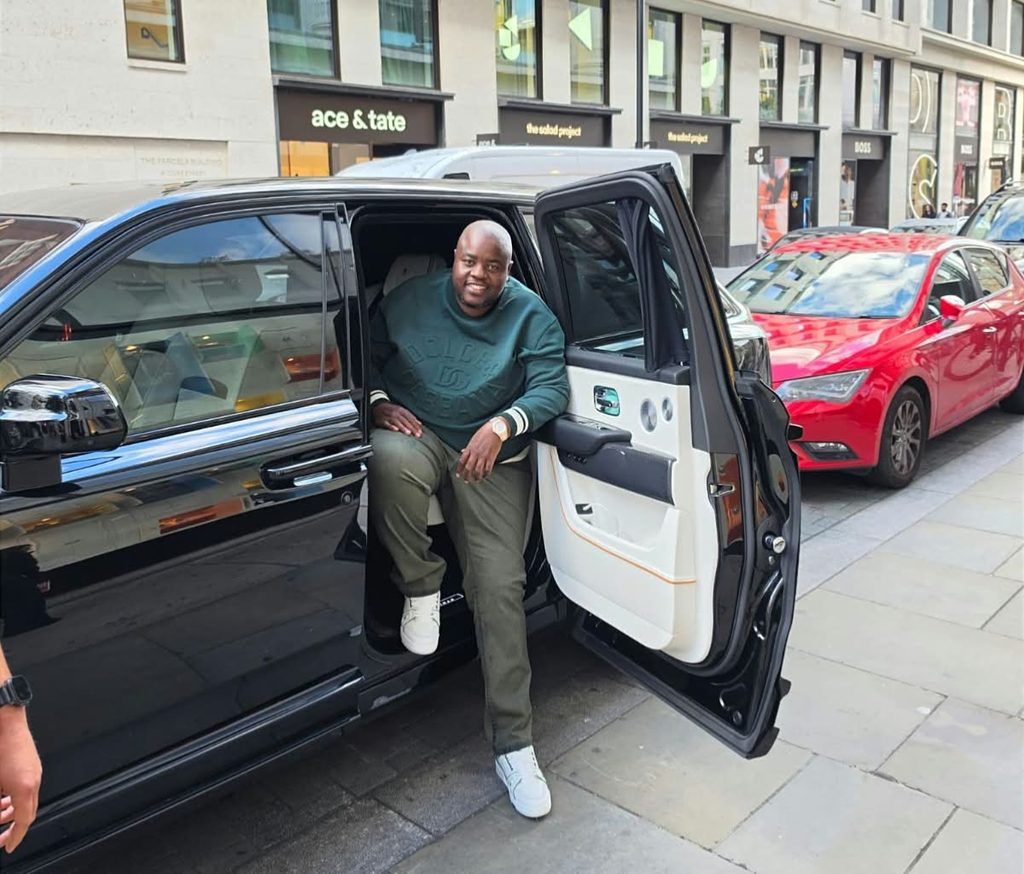
Zimbabwean businessman Wicknell Munodaani Chivayo, popularly known as Sir Wicknell, has died alongside his wife, Lucy “Lulu” Muteke, in a helicopter crash in east of the capital Harare.
The Wednesday evening crash has brought to an abrupt end of the life of one of Zimbabwe’s most flamboyant and closely watched businessmen.
Chivayo was aged 43, he was born on November 22, 1982, and was raised in Chivhu, Mashonaland East.
He came from modest beginnings.
His father died when he was about 10, leaving his mother to raise him.
He attended Churchill Boys High School but left school at a young age because of financial difficulties.
There was no publicly confirmed record of his university education but records and multiple sources who talked to Daily News Kenya-International said that Chivayo build his career through work experience, entrepreneurship and self directed business learning.
At about 15, he’s said to have began working as a wages clerk at a local bus company.
He later moved into foreign exchange trading in Harare and eventually established his own businesses.
His early years were not without controversy,he was convicted in connection with a black market currency transaction and spent time at Chikurubi Maximum Security Prison.
The conviction was later quashed on appeal.
Upon his release,Chivayo rebuilt his career and became the founder of Intratrek Zimbabwe, an engineering, procurement and construction company involved principally in energy and infrastructure.
One of its most prominent projects was the proposed 100 megawatt Gwanda Solar Power Project, a multimillion dollar undertaking that became the subject of prolonged legal and political controversy.
Chivayo and his company denied wrongdoing, and he was later acquitted of fraud in a related criminal case.
Over the years, his interests expanded beyond Zimbabwe into areas including renewable energy, power generation, infrastructure, construction, logistics, petroleum and investment.
His business activities increasingly took him around Africa, particularly into East and Southern Africa, reinforcing the image he cultivated of himself as an African businessman rather than simply a Zimbabwean entrepreneur.
But Chivayo’s public profile was built on more than business.
He became known for his relationships with some of Africa’s most powerful political figures, including Zimbabwe’s Emmerson Mnangagwa, Kenya’s William Ruto, Tanzania’s Samia Suluhu Hassan, Uganda’s Yoweri Museveni and Eswatini’s King Mswati III.
He frequently shared photographs and videos of his encounters with presidents and other senior political figures, turning those relationships into a prominent part of his public identity.
His relationship with Kenya’s President William Ruto attracted particular attention.
Chivayo described the relationship as personal and based on faith, respect and mentorship, while denying that he used the relationship to obtain political favours or government tenders.
In one widely circulated episode, Ruto personally drove him to his helicopter after an engagement involving the president’s daughter Charlene Ruto and a Tanzanian tech founder Isaya Yunge aged 37.
Chivayo described the journey as one of the most priceless moments of his life and exclaimed: “God, what kind of grace is this?”
His fascination with Africa was central to his worldview.
Chivayo repeatedly presented himself as an investor who wanted to do business across the continent and participate in African infrastructure development.
His expanding interests in countries such as Kenya, Tanzania and other African markets helped reinforce his image as a businessman whose ambitions extended beyond Zimbabwe’s borders.
That combination of business, philanthropy, religion and personal relationships helps explain why he became such a familiar figure around African presidents.
Critics nevertheless, questioned whether such relationships could provide unusual access and influence, while Chivayo consistently denied using them improperly.
Away from boardrooms and presidential meetings, Chivayo was perhaps best known for his extravagant lifestyle.
He loved luxury cars, private aircraft, expensive watches, designer clothing, mansions and high end travel.
Rolls-Royces, Bentleys and other luxury vehicles frequently appeared on his social media platforms.
He also became famous for giving expensive cars and large amounts of money to musicians, athletes, church leaders, celebrities and other people he wanted to honour.
His generosity sometimes ran into hundreds of thousands of dollars.
He gave vehicles and cash to Zimbabwean entertainers and was particularly associated with supporting musicians.
This year, for example, he reportedly gave musician Jah Prayzah a Ford Ranger Platinum and US$250,000. He also pledged US$1 million towards efforts to assist Zimbabweans stranded in South Africa.
Private aviation was another passion.
Chivayo travelled extensively by private aircraft and proudly displayed his association with luxury jets, including a Gulfstream G550.
He also spoke publicly about his desire to acquire an even newer and more expensive Gulfstream aircraft.
Music occupied an important place in his life and public persona.
His friendships with Zimbabwean musicians and his generosity towards artists made him a familiar face in the country’s entertainment industry.
He regarded musicians as important ambassadors for Zimbabwe and Africa and frequently used his wealth to support their careers.
Religion was equally important to his self image.
Chivayo said he grew up Roman Catholic and served as an altar boy before later joining the Johane Masowe Apostolic Church.
He frequently attributed his success to God, hard work, prayer and what he described as divine favour.
His statements often reflected a mixture of confidence, humour and an unapologetic embrace of wealth.
One of his best known lines was: “Eat with your friends, don’t compete with them, the hustle is against poverty not friendship.”
On another occasion, joking about the choices that came with his lifestyle, he wrote: “Damn being rich is a headache at times,” while discussing whether to wear Louis Vuitton or Salvatore Ferragamo shoes.
Chivayo was equally open about his ambitions.
He spoke of wanting to become a dollar billionaire and once expressed the blunt view that “money buys happiness.”
His philosophy was that wealth should be enjoyed and shared, rather than merely accumulated.
His flamboyance, however, also made him a controversial figure.
Questions were repeatedly raised about his government contracts, political connections and the sources of his wealth.
His supporters saw him as a self made entrepreneur and philanthropist who remembered his difficult childhood and wanted to help others.
On their part,his critics questioned the close proximity between his business activities, political relationships and spectacular displays of wealth.
Chivayo rejected allegations of wrongdoing, and several legal disputes involving him ended without criminal convictions.
His closeness to Zimbabwe’s political establishment was particularly significant.
He openly supported President Emmerson Mnangagwa and made high profile donations, including vehicles and ambulances.
The president himself defended Chivayo’s philanthropy when critics questioned where his money came from, saying the focus should be on investigating the source of the money rather than criticising philanthropy itself.
His personal life was also lived in the public eye.
Chivayo married Lucy “Lulu” Muteke in 2025 in a lavish ceremony attended by prominent Zimbabwean entertainers and other high profile guests.
Muteke was described in the media reports in Zimbabwe as a model, influencer and personal shopper.
Chivayo had two children from his previous marriage to Sonja Madzikanda.
In the end, Sir Wicknell’s story is one of extraordinary contrasts: a boy who left school because of poverty becoming a businessman associated with multimillion dollar infrastructure projects, a former prisoner becoming a man welcomed into presidential circles and an entrepreneur from Chivhu becoming a continental celebrity known for private jets, Rolls-Royces, music, philanthropy, presidential friendships and an unapologetic love of luxury.
His death at 43 therefore closes the chapter on a remarkably colourful African business personality whose life was as much about relationships, visibility and influence as it was about companies and investments.
Whether remembered primarily as a self made businessman, philanthropist, luxury enthusiast, political insider or all of these at once, Sir Wicknell Chivayo had succeeded in making his name impossible to ignore,not only in Zimbabwe, but increasingly across Africa.
Want to be featured? Support Independent Journalism by making small donations:
📞AIRTEL: +254106960261, MPESA: +254181609083
✉️ Email: safinews2022@gmail.com WhatsApp: +254714916328
SUPPORT CITIZEN JOURNALISM
Help us keep independent, community-focused journalism alive.
Paybill: 625625
Account No. 20222881
Your support helps us report, inform and amplify stories from communities that matter.
Thank you for supporting independent journalism.