
By Evance Otieno/Safi News Sports Reporter
Kenya is stepping up efforts to combat doping in sport, with the government pledging stronger enforcement, expanded athlete education and closer cooperation with international anti-doping authorities ahead of two major global sporting events.
The renewed push comes as the country prepares to host the 2027 Africa Cup of Nations (AFCON) and the 2029 World Athletics Championships, putting greater focus on the credibility of Kenyan sport and the need to protect athletes from performance-enhancing substances.
Cabinet Secretary for Youth Affairs, Creative Economy and Sports Salim Mvurya said the government was committed to strengthening the Anti-Doping Agency of Kenya (ADAK) through increased institutional support, testing programmes and preventive measures.
He said Kenya’s reputation as a leading sporting nation must be supported by a culture of fairness, accountability and respect for competition rules.
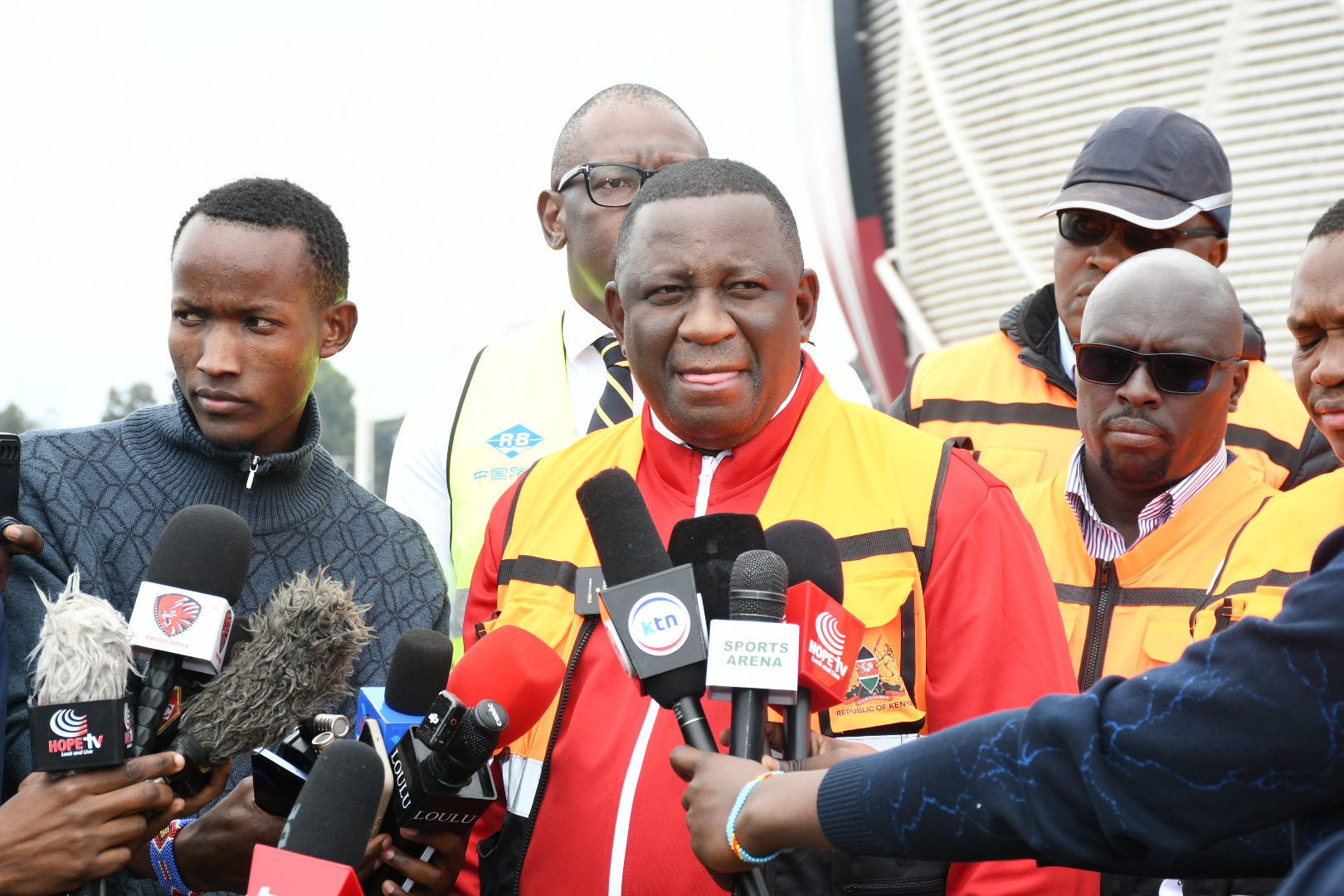
“Sportsmen and women have to win with integrity, and therefore we are promoting clean sports,” Mvurya said during a media briefing following a visit to Nairobi by World Anti-Doping Agency (WADA) President Witold Bańka.
The CS said the government had been implementing action plans since 2025 to improve ADAK’s capacity to meet its responsibilities locally and internationally.
He added that Kenya was reviewing its anti-doping policies and laws in preparation for the new WADA Code scheduled to take effect in 2027.
According to Mvurya, the government is working with Parliament to align national legislation with the revised international framework, ensuring that Kenya’s anti-doping systems remain effective and compliant with global standards.
The government is also pursuing a multi-agency strategy that will bring together anti-doping officials, investigators and law enforcement agencies to strengthen intelligence sharing, investigations and prosecution of those involved in the illegal supply of performance-enhancing substances.
Mvurya said the approach was particularly important as athletes face growing competitive pressure and increased financial rewards, which could expose some to the temptation of using prohibited substances.
WADA calls for action against drug networks
Bańka urged Kenyan authorities to intensify the fight against individuals and criminal networks involved in manufacturing, trafficking and smuggling illegal steroids and other performance-enhancing drugs.
He said anti-doping agencies required the support of law enforcement institutions to dismantle supply chains and hold those responsible accountable.
The WADA president noted that Kenya’s standing in international athletics carried an obligation to safeguard the integrity of competition and protect the achievements of athletes who succeed through legitimate training and hard work.
He called for a firm approach against doping, arguing that the country’s identity as the “Home of Champions” depended on maintaining confidence in the fairness of its sporting achievements.
Bańka further warned that anti-doping authorities could not effectively tackle organised supply networks without cooperation from agencies empowered to investigate offences and prosecute suspects.
WADA outlines international enforcement strategy
WADA Director of Intelligence and Investigations Günter Younger said the organisation was prioritising investigations into the supply and distribution of prohibited performance-enhancing drugs rather than focusing exclusively on athletes who test positive.
He explained that athletes could be vulnerable to exploitation by people who manufacture, distribute or promote the use of banned substances, making it necessary to target those operating behind the scenes.
Younger said WADA’s strategy involved bringing national anti-doping agencies and law enforcement officers together to exchange intelligence, coordinate investigations and strengthen enforcement.
He said the initiative, initially tested in Europe before expanding to Asia and other regions, had supported approximately 250 operations worldwide.
The operations had resulted in the seizure of more than 90 tonnes of performance-enhancing drugs and helped prevent over 1.8 billion doses from reaching the market, according to Younger.
Kenya is now being incorporated into the initiative, with WADA expected to provide technical expertise and support efforts to establish stronger working relationships between anti-doping officials and national law enforcement agencies.
The collaboration is expected to strengthen the country’s capacity to investigate organised doping activities while improving prevention and athlete protection programmes.
As preparations for upcoming international competitions continue, the government faces the task of ensuring that investment in sport is matched by credible testing, effective legislation and enforcement systems capable of protecting clean athletes.
For Kenya, the broader objective is to preserve its sporting reputation while ensuring that success on the international stage reflects talent, discipline and fair competition.