
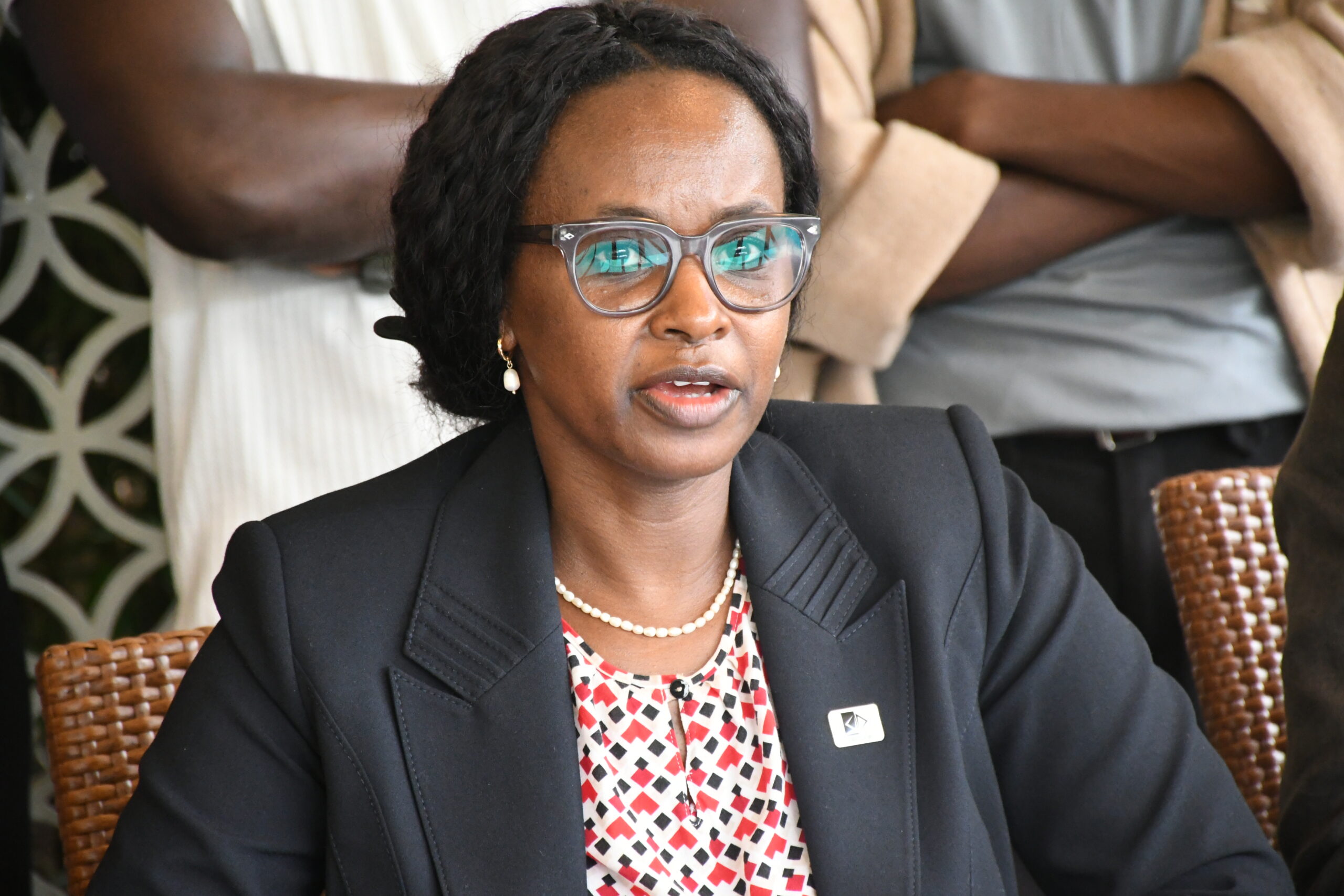
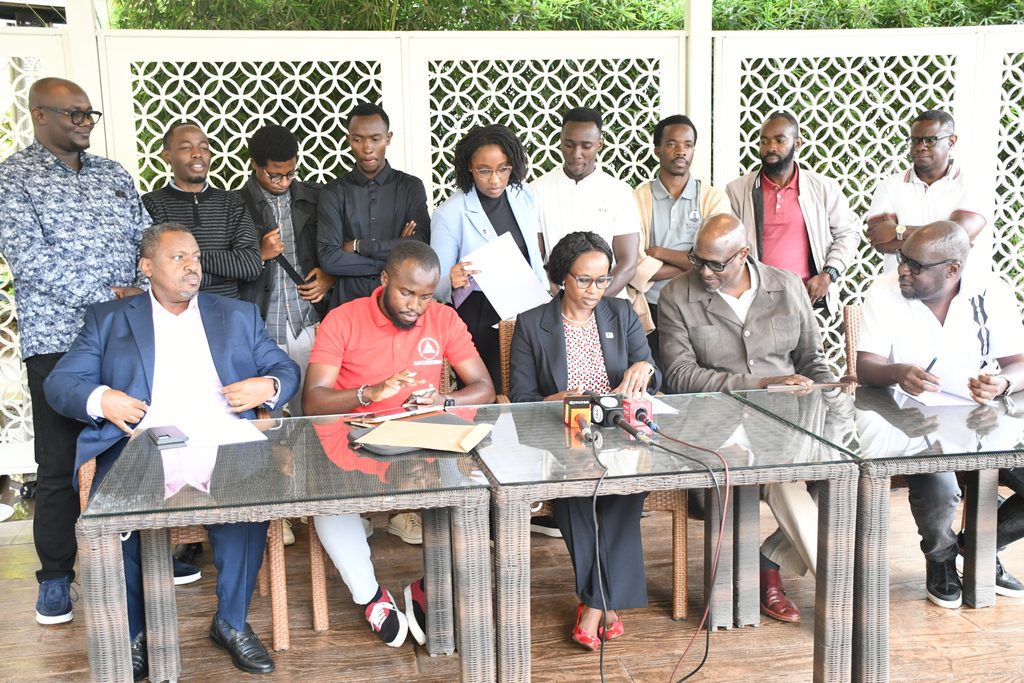
The Architects Alliance of Kenya has urged President William Ruto to declare the rising cases of building collapses a national disaster and establish an independent task force to investigate the incidents and recommend urgent reforms in the construction sector.
Led by its President, Sen. Dr. Arch. Sylvia Kasanga, the Alliance called for a coordinated national response, with a task force appointed within seven days and expected to submit its findings within 30 days.
In an open letter to the President, Kasanga said repeated building collapses and loss of lives demonstrated the need for stronger enforcement, professional supervision and accountability across the construction industry.
She said the proposed inquiry should establish the facts, identify those responsible and recommend measures to prevent further tragedies rather than assign blame before investigations are completed.
Kasanga also called for immediate inspections of high-risk buildings and suspension of construction activities that pose danger to human life. She said architects were ready to work with the government and other professionals to address safety gaps.
She announced a meeting of architects scheduled for November 27, 2026, at 4pm, to discuss professional reforms and the sector’s contribution to public safety.
Yassin Munyanja, Treasurer of the Architectural Association of Kenya (AAK) Architects Chapter, said the construction industry required comprehensive regulatory reforms that clearly define the responsibilities of different professionals.
He cautioned against legislation that could create conflicts among architects, engineers, quantity surveyors and other built-environment professionals, calling for an inclusive regulatory framework with equitable representation of professional associations.
Munyanja urged Parliament to consult industry stakeholders before enacting laws governing the sector, saying regulation should address existing challenges rather than create further uncertainty.
Paul Ochieng’, the Architects Alliance’s HOA Lead, said more than 78 building collapses had been recorded in the country since 2020, resulting in close to 78 deaths.
He called for an independent inquiry involving architects, engineers, standards bodies and other construction industry players, noting that building failures could arise from poor materials, workmanship, inadequate supervision and regulatory weaknesses.
Ochieng’ said investigations should examine the entire construction value chain, citing the Grenfell Tower inquiry in the United Kingdom as an example of the need for comprehensive investigations and accountability.
Architect Kang’au Keega, Treasurer of the Architects Alliance, said the government had a responsibility to protect lives through strict enforcement of building codes and construction safety standards.
Keega cautioned against the tendency to blame architects and other consultants whenever buildings collapse without first establishing the circumstances surrounding the incidents.
He explained that architects were responsible for designing safe buildings, while contractors undertook construction and government agencies played roles in approvals, supervision and enforcement.
He said accountability should therefore be based on investigations covering all parties involved rather than placing blame on one professional group.
Keega called for immediate government intervention to assess potentially unsafe buildings and take action against construction activities that endanger occupants, workers and the public.
The Alliance also raised concerns over proposed changes to professional regulation, warning that unclear roles and weak oversight could undermine accountability in the built environment.
It urged Parliament to engage professional associations in reviewing the proposed legislation and ensure that every professional has clearly defined responsibilities and enforceable obligations.
The architects said improved coordination, effective regulation and accountability were necessary to restore public confidence and prevent further loss of lives.