
NAIROBI, October 23, 2026 — Leaders in government and the private sector have been urged to uphold integrity, accountability and ethical leadership as key pillars in rebuilding public trust and confidence in institutions.
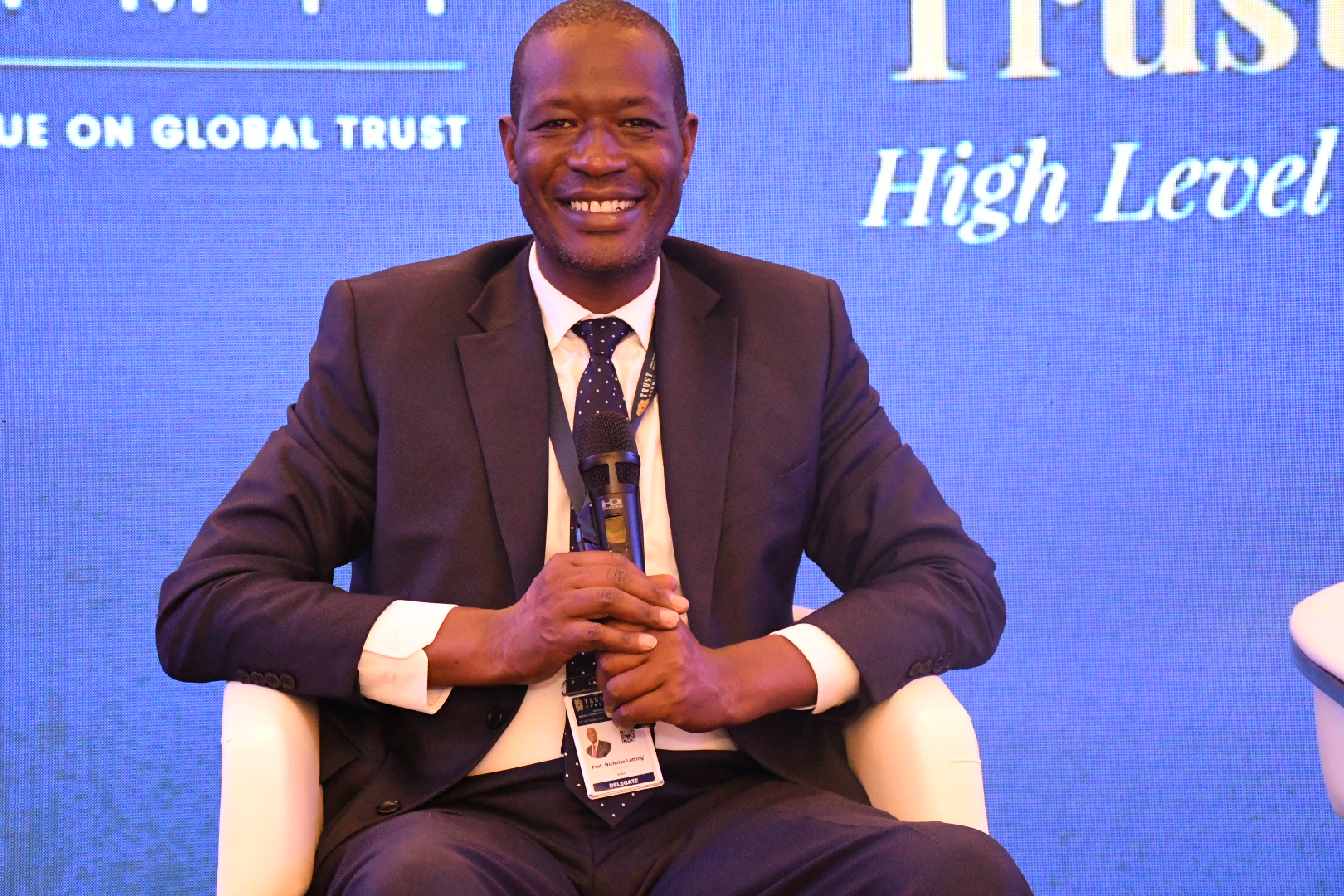
The Chief Executive Officer and Secretary to the Board of the Kenya Accountants and Secretaries National Examinations Board (KASNEB), FCPA Prof. Nicholas K. Letting, said leaders must demonstrate honesty through their actions rather than relying on promises to win public confidence.
Letting, who also chairs the Association of Professional Societies in East Africa (APSEA), said leadership built on integrity, transparency and consistency was essential in creating institutions that people could trust.
“Working the talk is the best way to do. As a leader, I must say what I mean and mean what I say,” he said.
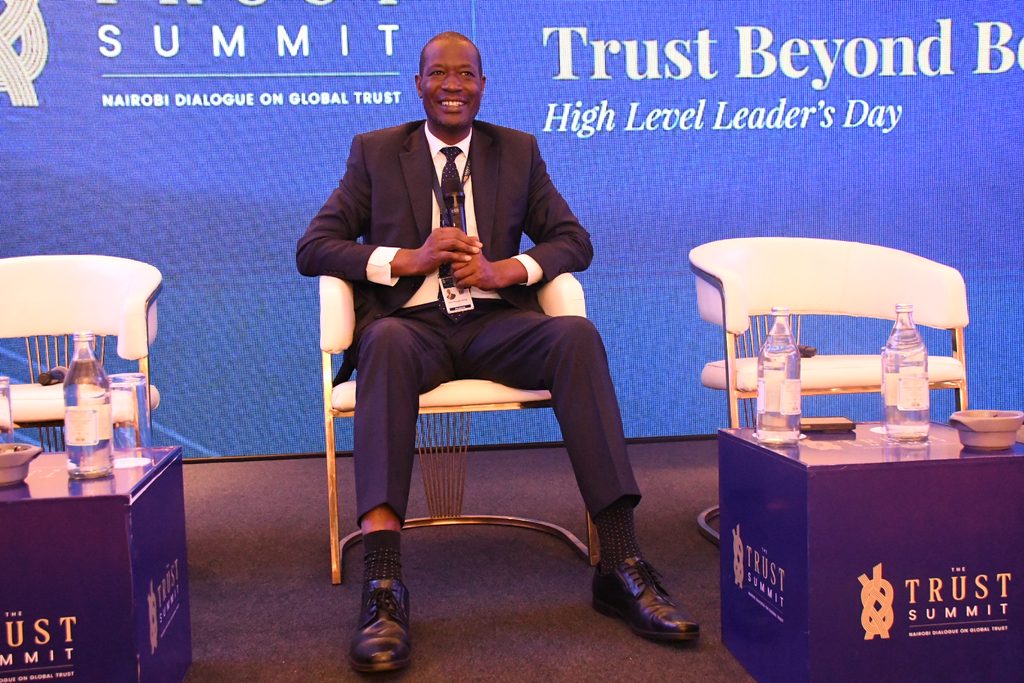
He spoke before a panel discussion during the Trust Summit in Nairobi, themed “Weaving Trust: Binding Strands for a Stronger Global Order,” where he underscored the importance of ethical leadership and responsible management in strengthening relationships between institutions and the public.
Letting said leaders should set the right example, particularly for young people aspiring to take up leadership positions, adding that their conduct must demonstrate the values they expect others to uphold.
He cited the participation of young people at the summit as an encouraging sign of growing interest in leadership and governance, noting that the younger generation needed role models who could inspire confidence through their actions.
The KASNEB chief executive said institutions seeking to build lasting public confidence must safeguard the integrity of their processes, policies and practices while ensuring that their conduct matches their stated values.
He noted that professional bodies played an important role in promoting accountability and compliance with established standards, with accountants contributing to financial transparency through accurate records and accountability systems.
Letting also recognised the role of lawyers in promoting compliance with the law and the Constitution, alongside Parliament and the Judiciary in strengthening legislation, oversight and the administration of justice.
He said such complementary roles were necessary in building a governance system where institutions remained accountable to the people they served.
The APSEA chairman commended the organisation of the Trust Summit, noting that its international participation had brought together delegates from different generations, government institutions, the private sector and non-state actors.
He said the diversity of participants, including delegates from countries such as South Africa and Uganda, demonstrated a shared interest in strengthening trust across societies and institutions.
Letting also called on Kenyans to embrace teamwork, truthfulness and a culture of caring for others, saying these values could help strengthen national unity and improve service delivery.
He cited the spirit of teamwork demonstrated by Kenyan athletes during international competitions as an example of how citizens could rally behind a common national purpose despite their differences.
He urged Kenyans to be honest with one another, noting that constructive criticism and a willingness to confront shortcomings were essential in addressing challenges facing society.
The KASNEB CEO further expressed support for efforts to improve infrastructure and expand investment in housing, education and healthcare, saying such initiatives could contribute to the country’s development.
However, he emphasised that public confidence in leadership would ultimately depend on how leaders conducted themselves and whether institutions consistently demonstrated integrity and accountability.
The Trust Summit seeks to provide a platform for discussions on trust, leadership and governance, bringing together stakeholders from different sectors to explore ways of strengthening confidence in institutions and relationships across societies.