
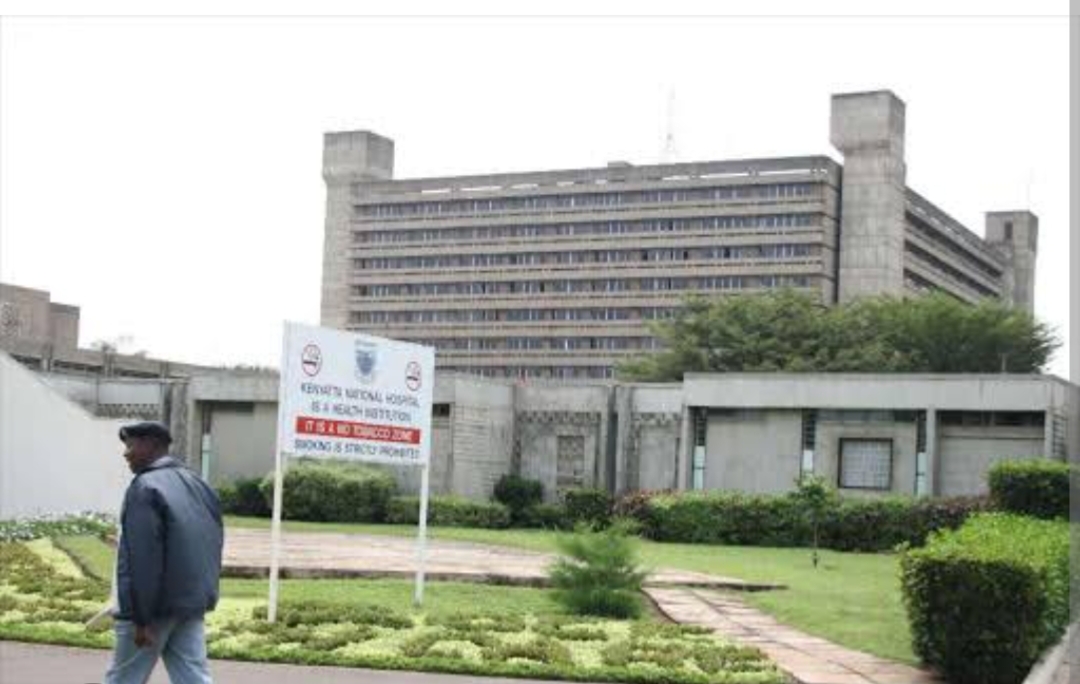

Kenyatta National Hospital (KNH), Kenya’s largest and most complex public health institution, is facing renewed scrutiny as insiders raise concerns about the direction, coordination, and financial stewardship of its leadership.
As Kenyans are still asking many questions that led to the passing on of renowned gospel artist Beatrice Mungua alias Betty Bayo after it emerged that there were delays of coordination at the emergency ward and negligence from some specialists, the truth of the matter behind the odeal is slowly coming to play
It’s very disheartening when you lose your patient in an unclear circumstances as it has been witnessed before reports of patients being murdered inside the national health facility without clear explanation from the top management, only to be reserviced with continues lip services and what pundits terms as gimmick.
Although no official investigations have established wrongdoing, the perspectives shared by current employees and retired staff members point to rising anxiety over incompetences at the very apex, operational delays, financial pressures, and the overall management environment.
At the center of these concerns is the hospital’s leadership structure, including its Chief Executive Officer, Dr. Richard Lesiyampe who is yet to be confirmed by Public Service Commission, as he enters fifth month on acting capacity.
Watch the link of Betty Bayo’s rumoured stories surrounding her passing on at KNH
https://www.facebook.com/share/17ZhoYf3sQ
One of the reasons he might be edged out by the PSC despite many murmurs is the aging factor since Public Service Communication (PSC) policies and procedures of human resources can’t be compromised to suit one person as an individual in regardless of the influence
While many staff acknowledge that KNH operates under restrictive national systems and immense pressure, others believe that the hospital’s internal management approach has not fully lived up to expectations for a national referral institution.
Staff Criticism Over Leadership and Decision-Making
According to information in our possession paints a picture of an institution grappling with bottlenecks linked to slow decision-making processes
Insiders claim that crucial administrative actions—such as staffing deployments, procurement approvals, or departmental reorganizations—often take longer than expected, causing ripple effects on service delivery and casting doubts on it’s much publicised public relations over effectiveness.
One senior official expressed frustration, saying, “KNH is too big for slow leadership. We need quick, responsive decisions, especially when departments are overwhelmed.” Others felt that communication between top leadership and frontline workers has weakened, making it harder for teams to understand the hospital’s strategic direction.
While these concerns have not been independently verified, they reflect the sentiment that KNH’s leadership needs to strengthen engagement, visibility, and internal dialogue.
Those who spoke to our investigative desk have called on the top leadership to come out and distance the allegations surrounding the premier hospital’s day to day operations and if there are any sacred cows placed, strategically to achieve some ulterior motives on behalf of some top government individuals
Supplier Debt and Financial Strain
One recurring issue within KNH involves delayed payments to suppliers. Insiders say that the hospital has accumulated significant debts due to prolonged payment cycles.
Vendors supplying essential goods such as medical consumables, laboratory reagents, and equipment maintenance services have reportedly grown increasingly concerned about unpaid invoices, those who interviewed sought anonymity.
A procurement officer explained, “Suppliers are essential partners. When they are not paid promptly, some become reluctant to deliver. This leads to shortages that directly affect staff and patients.”
While KNH is not the only public hospital facing such financial delays, staff believe that stronger leadership oversight and improved financial management could help minimize the risk of supply interruptions.
Retired Staff Voice Anxiety Over Pension Security
Adding to the internal tension, a number of retired KNH employees have expressed fears that they may not receive their pensions in full or on time. Some retirees told insiders that they are worried hospital funds may have been mismanaged, although no evidence has been publicly presented to substantiate these claims.
A former administrative officer who retired last year shared, “We spent decades serving this institution, and now many of us are anxious. People talk about financial mismanagement, and it makes us fear for our pension security.”
These concerns from different quarters, while serious, remain claims and perceptions, not verified findings. However, the fact that retirees feel compelled to speak out underscores the level of unease circulating around the hospital’s financial environment.
They have further alleyed fears that if poor leadership challenges deepen and a culture of opacity at the KNH’s reputation will be at cross roads
However, many Kenyans have remained optimal despite the concerns, stressing that the hospital operates under immense constraints beyond the CEO’s control. National procurement laws, treasury disbursement delays, shortage of medical personnel, and growing patient numbers all limit how efficiently KNH can function.
A consultant surgeon observed, “People forget that KNH is part of a national system. Sometimes the frustrations staff feel are not caused by leadership decisions but by national-level bureaucracies.”
Others point to improvements achieved in recent years, including expanded specialized units, partial equipment upgrades, and increased training opportunities for medical professionals.
These realities suggest that, although insiders may attribute challenges to leadership, the root causes often lie within broader governmental structures and longstanding systemic gaps.
Calls for Reforms, Transparency, and Stronger Engagement
Even those who defend the leadership agree that KNH urgently needs a more transparent and consultative management culture. Staff want clearer communication about financial decisions, procurement strategies, pension security, and long-term institutional planning. Retirees want reassurance that their benefits are safe, protected, and managed transparently.
Frontline clinicians emphasize that participatory leadership—where staff are included in planning—would greatly boost morale and efficiency. Administrative teams want updated systems for monitoring supplier payments, tracking financial obligations, and publicly reporting performance indicators.
The Road Ahead
Kenyatta National Hospital remains one of Kenya’s most critical public institutions, and the concerns circulating within its corridors should not be ignored. While none of the allegations or fears raised by staff or retirees have been independently verified, the mere existence of such anxieties speaks to the need for stronger leadership communication, improved financial governance, and deeper engagement with both current and former employees.
Strengthening transparency, rebuilding trust, and addressing internal fears—whether grounded in fact or perception—will be key to ensuring that KNH remains stable, reliable, and effective in serving millions of Kenyans who depend on it every year.
**herpafend**
Herpafend is a natural wellness formula developed for individuals experiencing symptoms related to the herpes simplex virus. It is designed to help reduce the intensity and frequency of flare-ups while supporting the bodys immune defenses.
**prodentim**
ProDentim is a distinctive oral-care formula that pairs targeted probiotics with plant-based ingredients to encourage strong teeth, comfortable gums, and reliably fresh breath.
**aqua sculpt**
AquaSculpt is a high-quality metabolic support supplement created to help the body utilize fat more efficiently while maintaining steady, reliable energy levels throughout the day.
**citrusburn**
CitrusBurn is a Mediterranean-inspired thermogenic formula created to support a naturally slower metabolism, encourage efficient fat utilization.
**prime biome**
The bodys natural process of skin cell renewal is essential for preserving a smooth, healthy, and youthful-looking complexion.
**prostafense**
ProstAfense is a premium, doctor-crafted supplement formulated to maintain optimal prostate function, enhance urinary performance, and support overall male wellness.
**kerassentials**
Kerassentials is an entirely natural blend crafted with 4 potent core oils and enriched by 9 complementary oils and vital minerals.